





As AI computing continues to advance, the power consumption of AI servers is increasing rapidly, making efficient thermal management a critical challenge. Liquid cooling technology is becoming an important solution for high-performance computing systems. However, the complex internal channels and highly integrated structures required for liquid cooling components place higher demands on manufacturing technologies.
With the capability to produce complex structures in a single build, Metal Powder Bed Fusion (Metal PBF) is opening new possibilities for advanced thermal management applications.
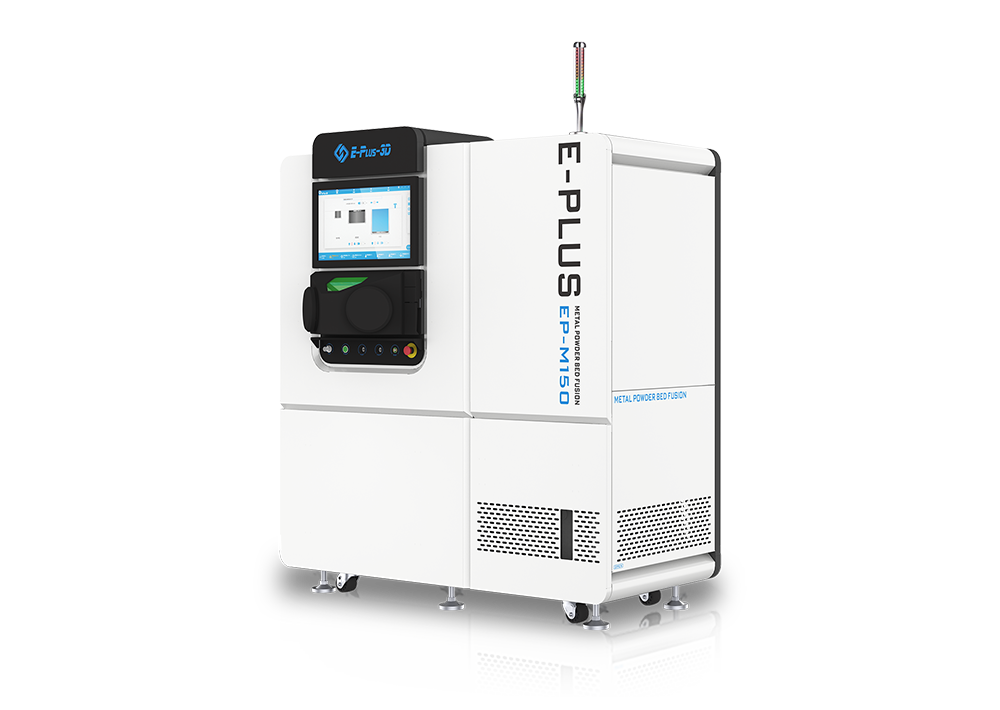
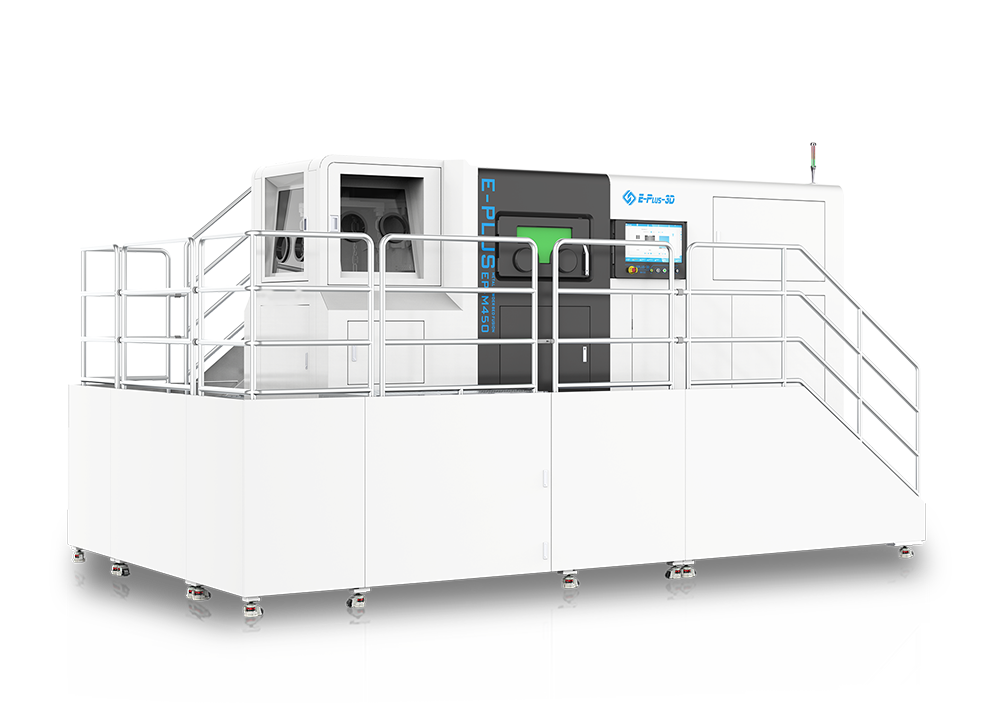
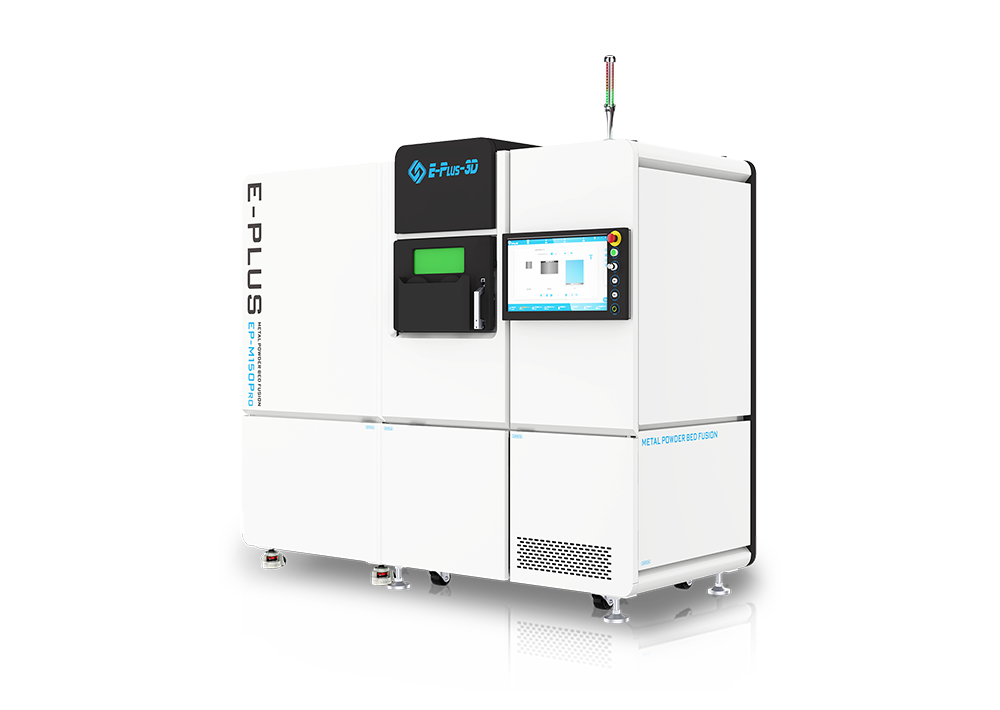
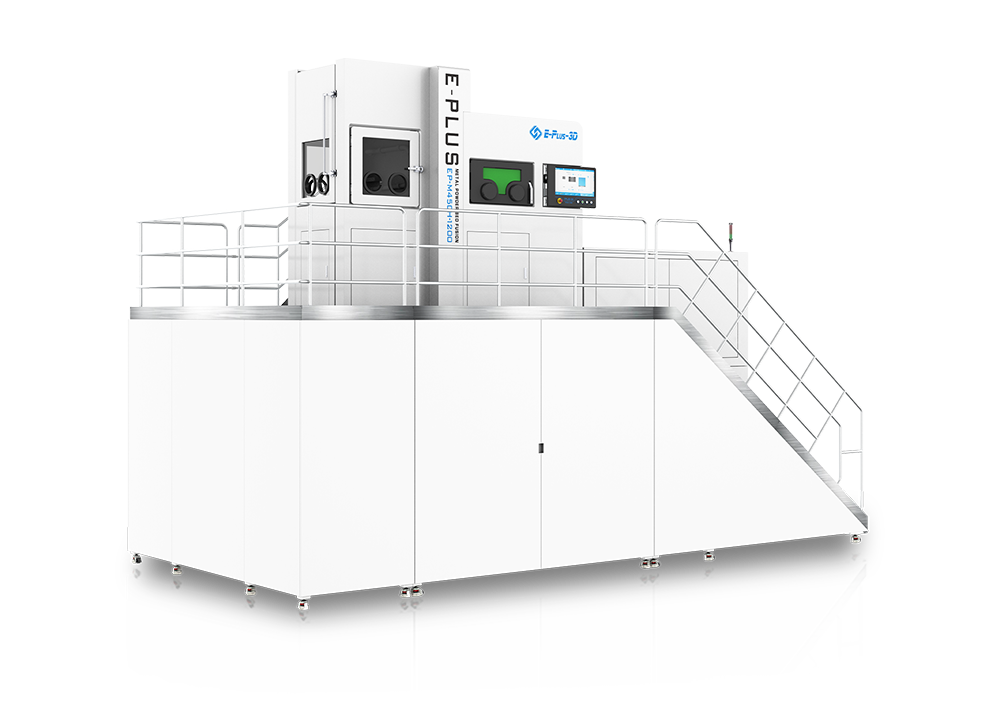
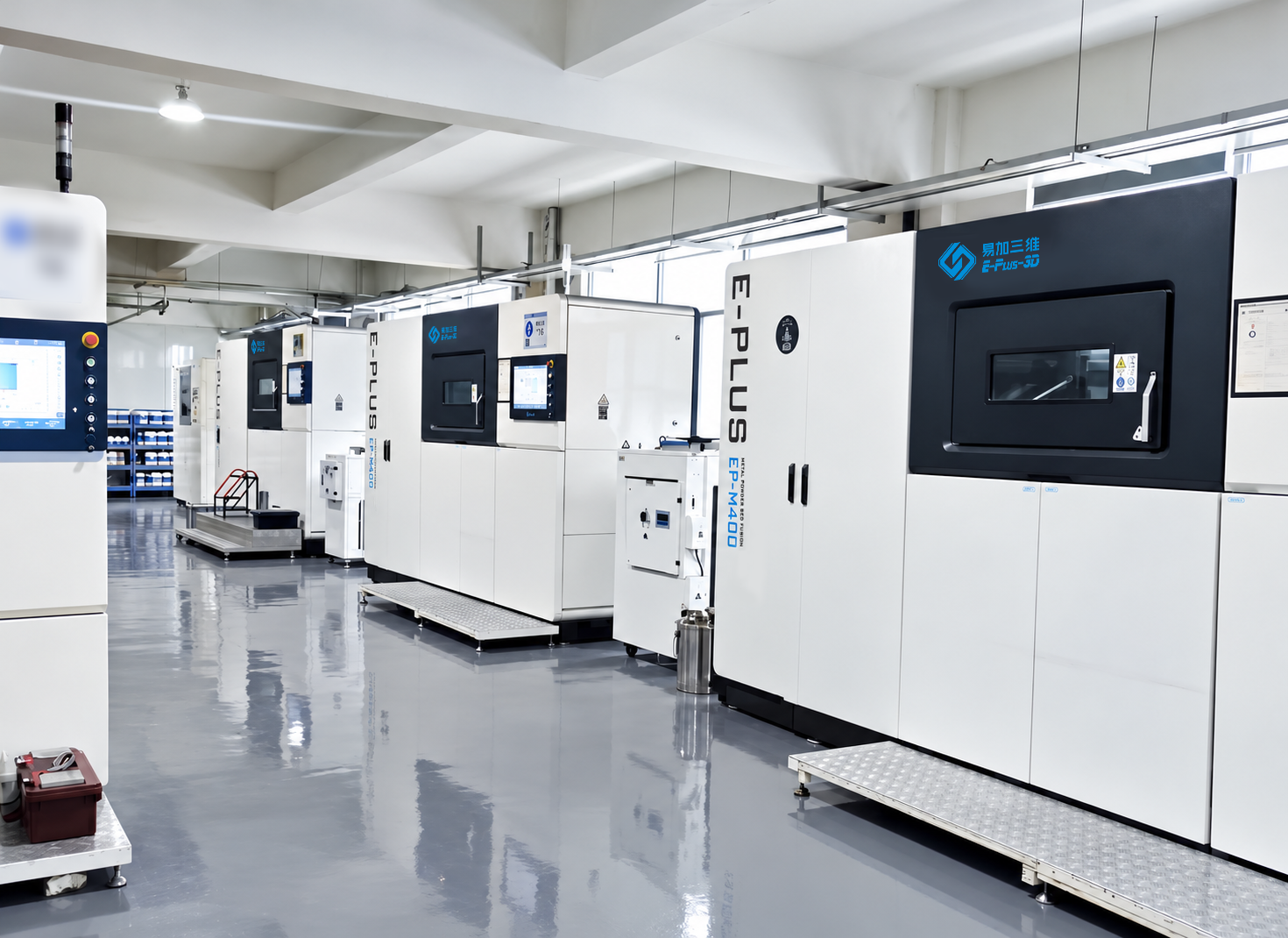 Figure 1 - Eplus3D Metal PBF system at Toptra’s production facility
From Complex Structures to Production-Ready Manufacturing
For liquid cooling components, the challenge is not only to realize complex geometries, but also to ensure long-term reliability, consistency, and production efficiency.
Traditional manufacturing methods such as CNC machining and brazing may face limitations when producing components with complex internal channels and thin-wall enclosed structures. Metal PBF enables integrated manufacturing of intricate flow channels, reducing welding and assembly processes while providing greater design flexibility for optimized cooling structures.
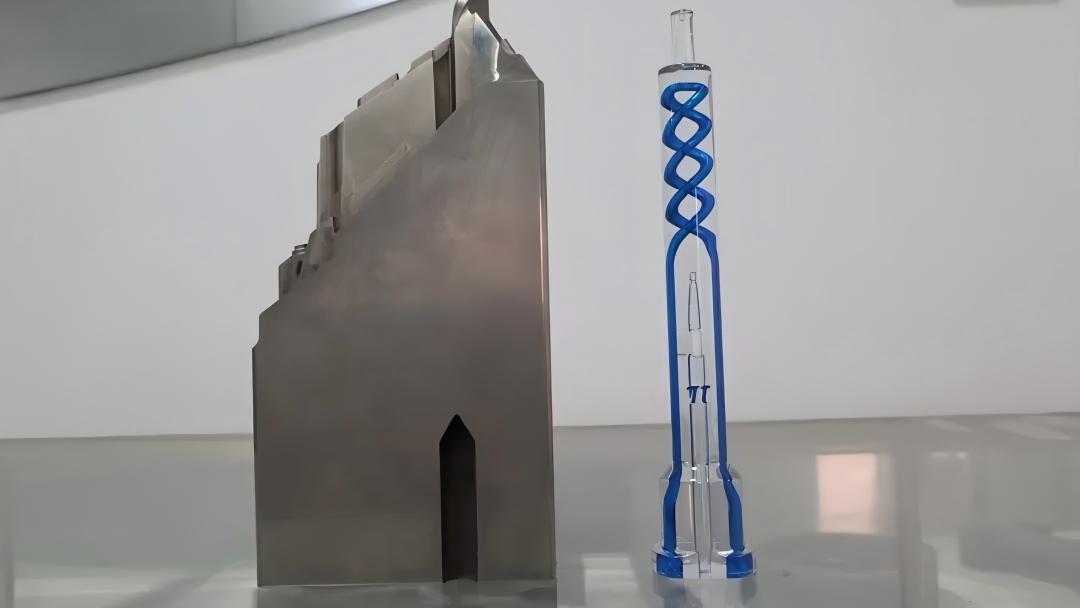
Figure 2 - Complex liquid cooling components produced by Metal PBF
Equipment Deployment and Process Collaboration Enable Scalable Production
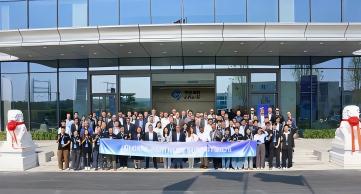
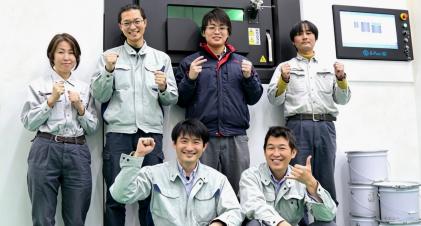
Through close collaboration with Toptra Laser Technology, Eplus3D is supporting the transition of AI server liquid cooling components from complex design concepts to scalable industrial production. By combining customized equipment solutions with process optimization, the project has achieved successful production and delivery, with total orders reaching 50,000 units.
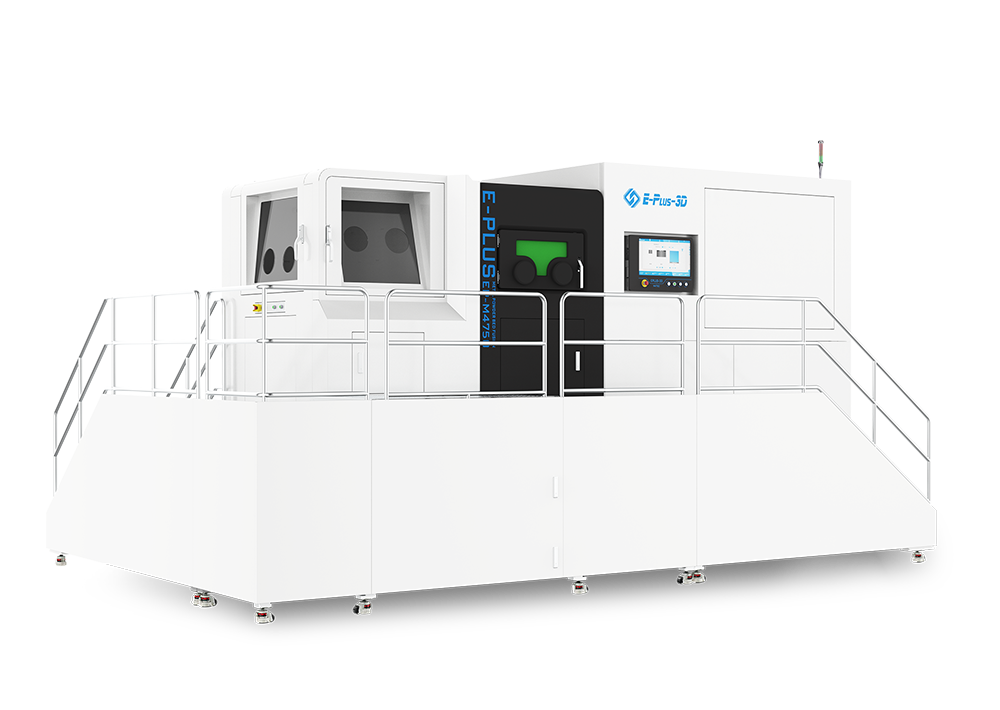
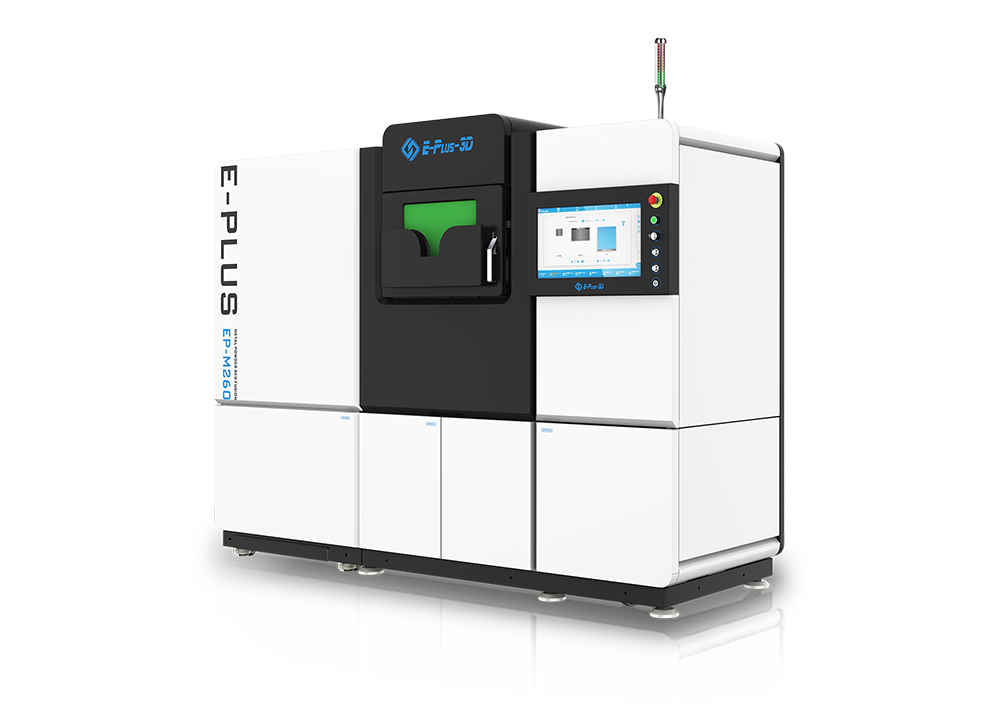
Multiple Eplus3D metal additive manufacturing systems have been deployed on Toptra's production lines. The two companies continuously optimized material development, printing processes, post-processing, and quality control to establish a workflow suitable for volume production.
During production, Eplus3D metal PBF solutions demonstrated key advantages:
- High-efficiency, high-quality integrated manufacturing: By optimizing the big-layer-thickness printing process, forming efficiency is significantly improved while ensuring high density and high dimensional accuracy of internal channels. This enables direct manufacturing of complex liquid-cooling channels, reduces welding and assembly, and lowers leakage risks from the source.
- Consistency assurance for batch production: The equipment maintains extremely high thermal stability and process repeatability during long-term, high-efficiency operation, ensuring consistent airtightness and reliability of liquid-cooling components across batches and meeting industrial-grade batch delivery standards.
- Deep adaptation through process collaboration: Eplus3D and Toptra have continuously optimized materials, big-layer-thickness high-efficiency printing, post-processing, and quality control according to the characteristics of liquid-cooling components, successfully addressing the industry pain point of "difficulty in balancing efficiency and quality" and establishing an efficient, complete process suitable for batch manufacturing.
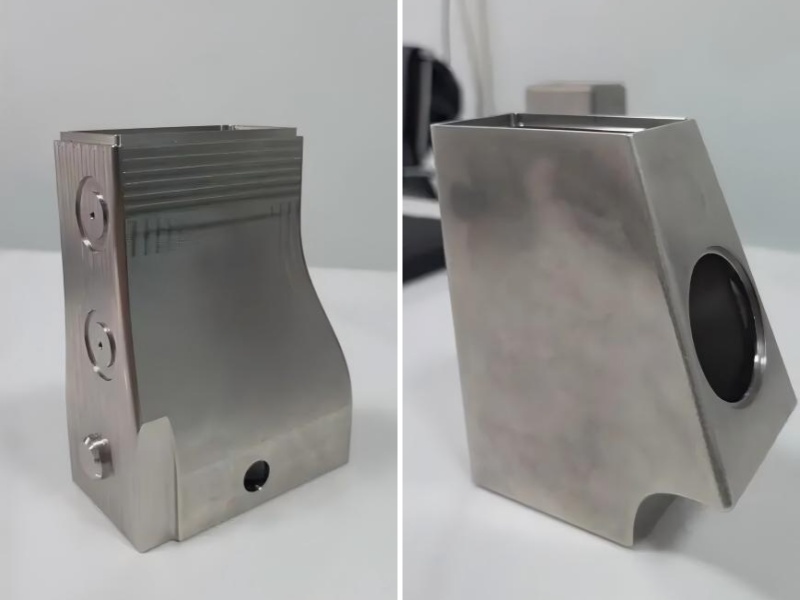
Figure 3 - 3D-printed liquid cooling components for AI servers
Today, Toptra's production lines are equipped with 15 metal additive manufacturing systems and three dedicated production lines, achieving a monthly output of approximately 1,000 components. The first batch of 3D-printed liquid cooling manifolds has been delivered in August this year, and additional five more metal 3D printing systems has been purchased to further expand production capacity.
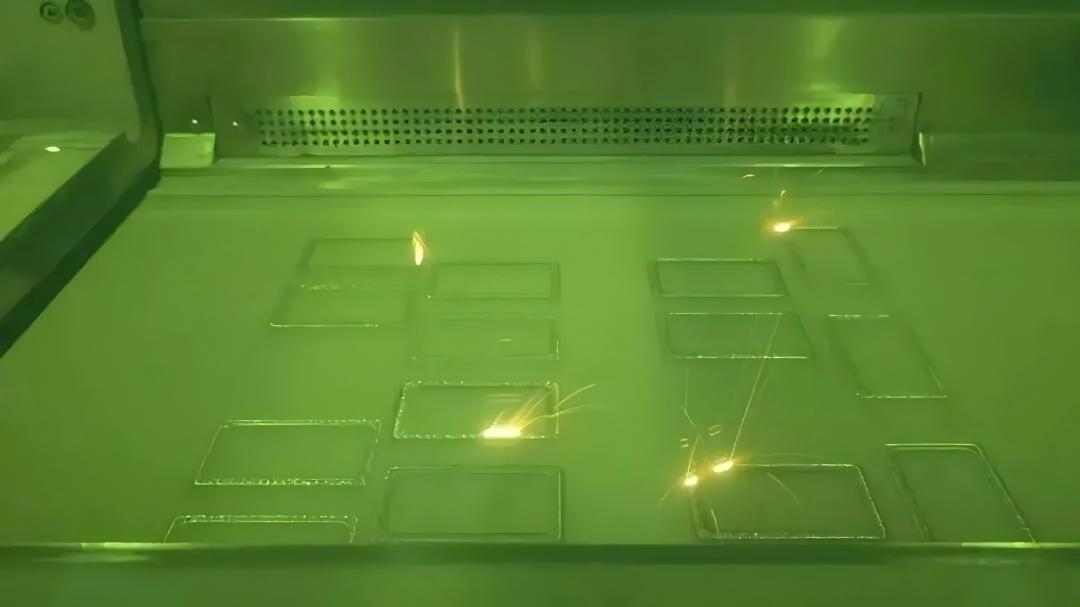
Figure 4 - Metal PBF printing process for liquid cooling components
Advancing Metal Powder Bed Fusion Applications Beyond Prototyping
From equipment deployment to volume delivery, the collaboration between Eplus3D and Toptra demonstrates the capability of Metal Powder Bed Fusion technology to support scalable manufacturing in advanced thermal management applications.
For Eplus3D, the value of Metal PBF goes beyond enabling geometries that are difficult to manufacture through conventional methods. It helps customers establish integrated manufacturing capabilities connecting equipment, processes, and production workflows.
Eplus3D will continue advancing industrial Metal PBF applications across high-performance thermal management, aerospace, energy, and other advanced manufacturing fields. The era of scalable metal 3D printing for liquid cooling is now arriving.