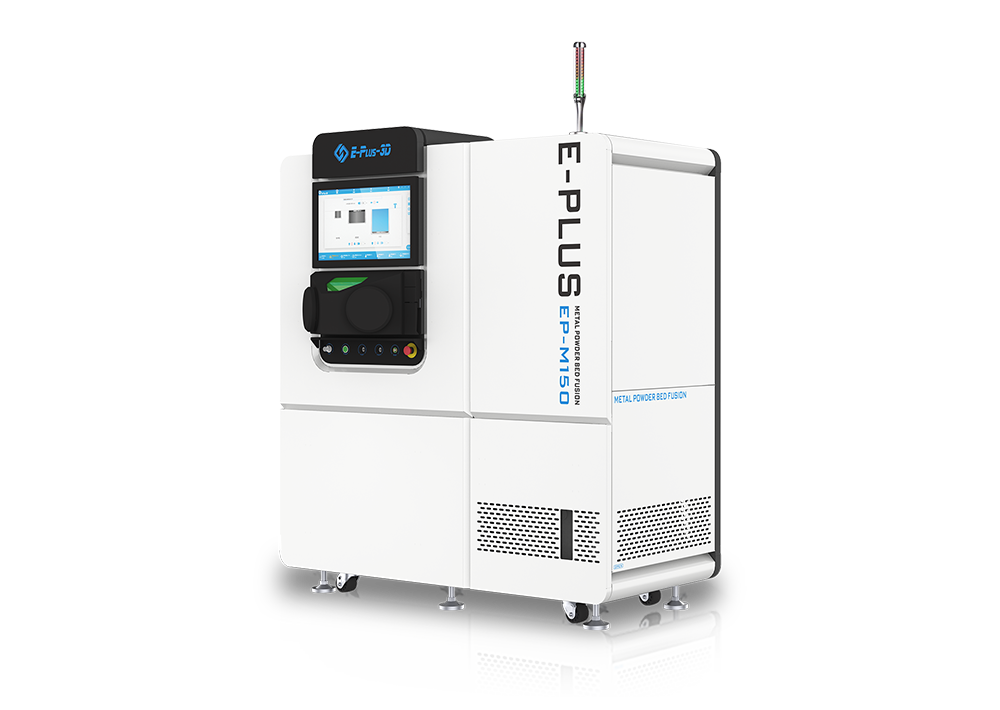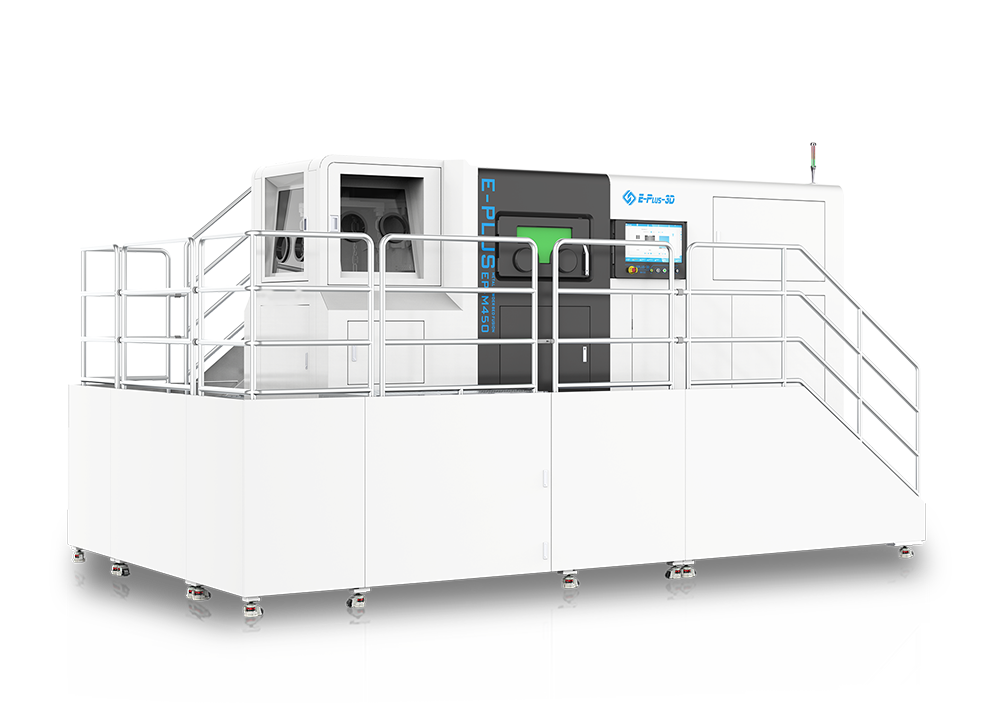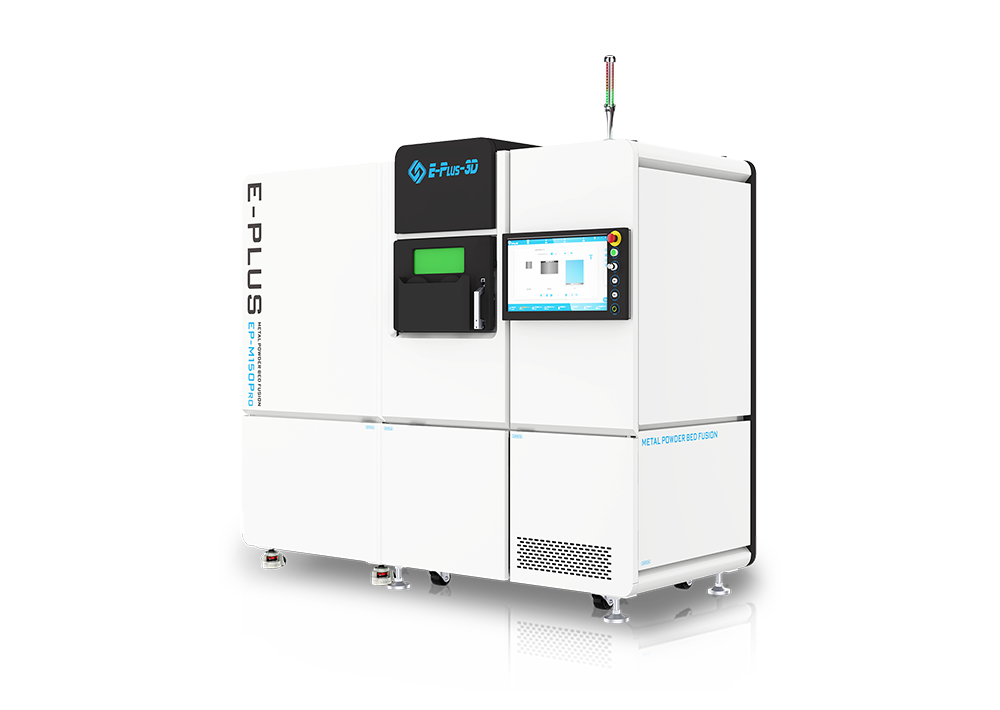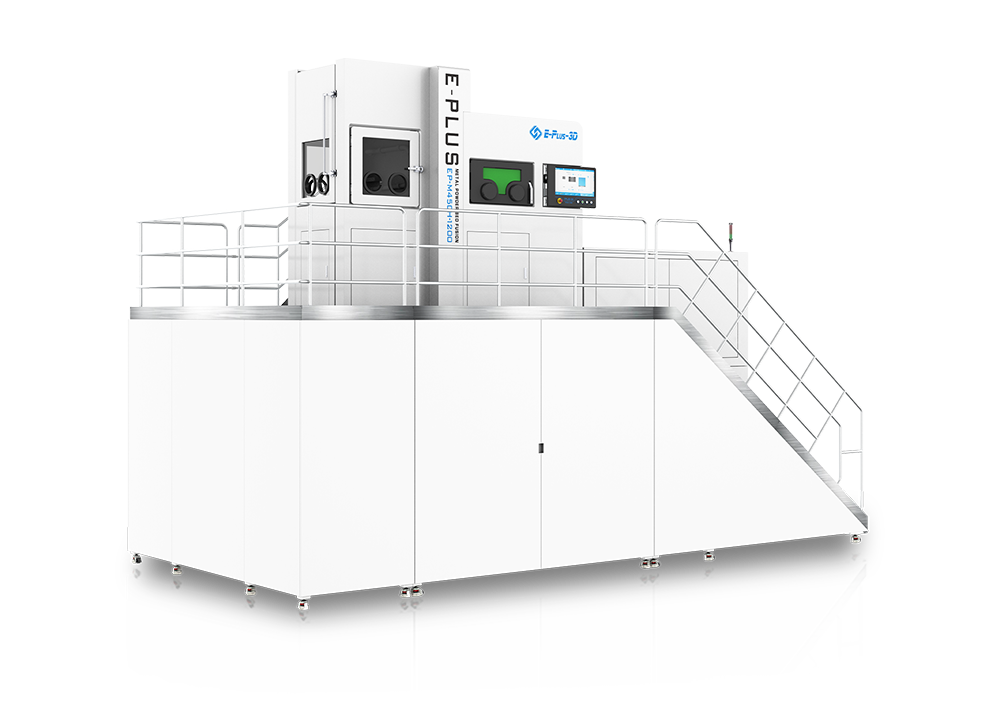











Eplus3D has once again collaborated with UCL Rocket (UCLR) to support the development and testing of advanced liquid rocket engine hardware. The latest campaign marked an important technical step for UCLR: its first successful hot fire of a cryogenic regeneratively cooled rocket engine, powered by a liquid oxygen (LOX) / isopropyl alcohol (IPA) architecture.
This transition from the N₂O-based oxidizer architecture used in the previous Excelsior engine to a cryogenic LOX system introduced a new level of engineering complexity. Compared with the earlier iteration, the LOX / IPA engine brought higher heat fluxes, more extreme thermal gradients, stricter cleanliness requirements, and additional material compatibility considerations.
In response to these demands, Eplus3D supported the production of key CuCrZr engine hardware for the campaign, helping UCLR take an important step toward validating its cryogenic engine concept.
2025 Project: The Excelsior Engine
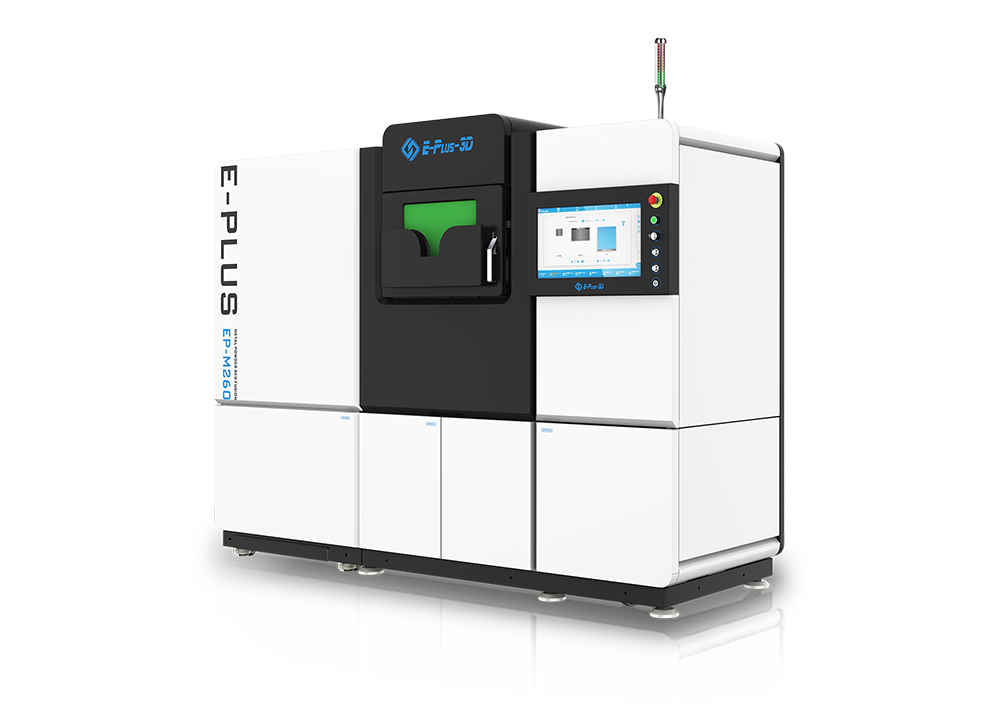
The first chapter of the collaboration focused on the Excelsior engine from the 2025 competition, a regeneratively cooled bipropellant rocket engine and swirl injector developed for Race 2 Space. Manufactured using the EP-M400S metal PBF system, the project showed how metal additive manufacturing can enable complex internal cooling channels, integrated structures, and rapid development of advanced aerospace hardware. Excelsior used N₂O as the oxidizer, achieved its target thrust of 5 kN during hot-fire testing, and became one of the few engines in the Race 2 Space competition to survive all tests.
That project proved that additive manufacturing could help UCLR transform a complex propulsion concept into functional test hardware understrict technical and time constraints. The latest campaign builds on this foundation, moving beyond manufacturability and operational demonstration to validate the resilience of CuCrZr combustion chamber hardware within a more demanding cryogenic LOX/IPA engine architecture.
The Latest Campaign: Testing a 57-Channel CuCrZr Combustion Chamber
On June 24, 2026, UCL Rocket carried out a static hot-fire test campaign for a 7 kN LOX / IPA liquid rocket engine. At the center of this campaign was an Eplus3D-printed CuCrZr combustion chamber designed with 57 internal cooling channels for regenerative thermal management.
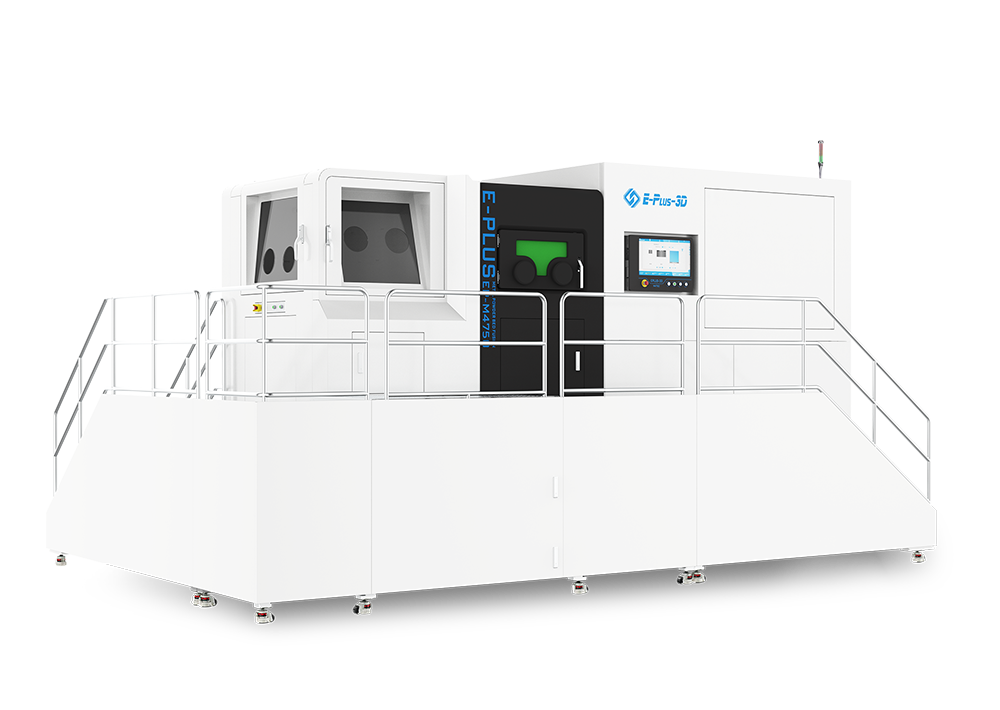
The chamber was printed on the EP-M300 system equipped with 1000W lasers configuration, followed by post-processing with the EP-MC400 depowdering system. The internal cooling-channel design and powder-removal requirements reflected the importance of print quality, cleanliness, and process control for cryogenic regeneratively cooled propulsion hardware.
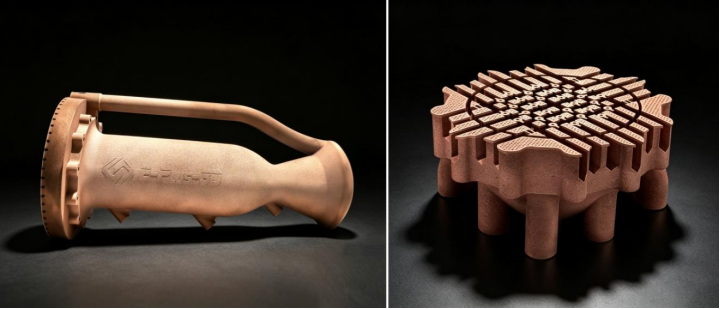
Figure 1 - Printed Engine and Injector Head
Test Adjustment and Hot-Fire Execution
During pre-test inspection, the team discovered that approximately 33% of the active coolant channel area was obstructed by metallic swarf generated during the final subtractive post-machining phase. This unforeseen issue was not part of the original test objectives.
Since regenerative cooling depends on unobstructed internal channels to effectively remove heat from the chamber wall, the blockage reduced the available cooling capacity and increased thermal risk during firing. To mitigate these risks and ensure test-range safety, UCLR adjusted the test plan prior to ignition. The engine was operated at a 50% throttle baseline, and a 2% PDMS fuel additive was introduced to reduce wall heat flux. These modifications allowed the team to proceed safely while still capturing valuable hot-fire data from the cryogenic LOX/IPA engine campaign.
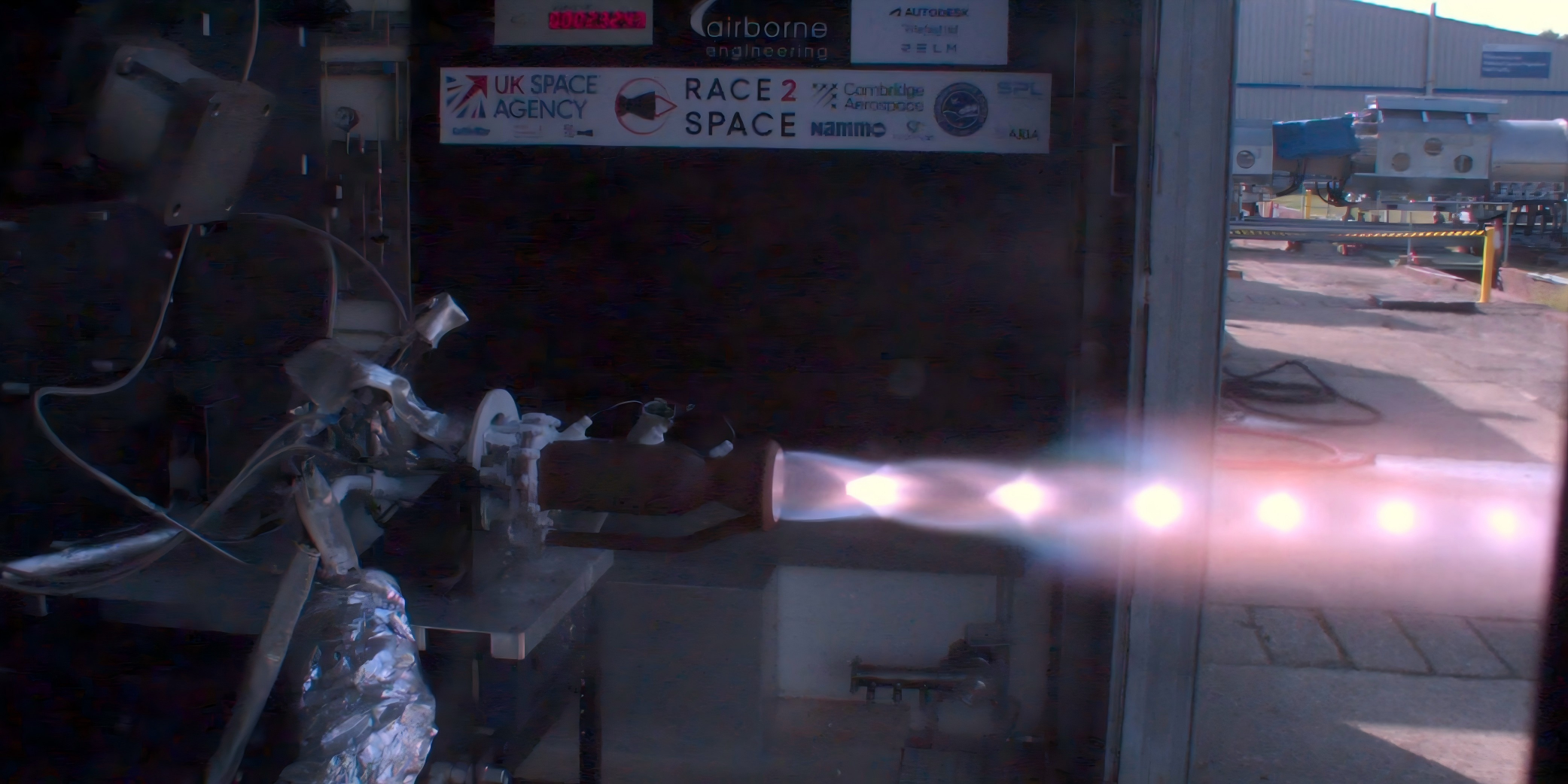
Despite the constrained cooling condition, the engine successfully executed its ignition sequence and withstood the thermal loads throughout the test.
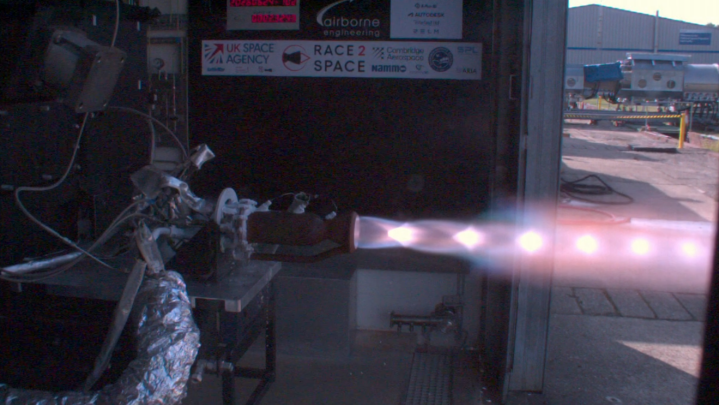
Figure2 - Hot-fire testing of the 7 kN LOX / IPA engine
Results and Value: From Hardware Integrity to Engineering Confidence
The primary achievement of this campaign was UCLR's first successful hot-fire test of a cryogenic regeneratively cooled rocket engine. This represents a significant advancement over the previous N₂O-based Excelsior architecture and highlights UCLR's continued progress in liquid rocket engine development.
In addition, the Eplus3D CuCrZr combustion chamber remained intact after testing, with no visible signs of thermal erosion or structural deformation. Although the coolant channel obstruction was not part of the intended test scope, the chamber’s condition after testing provided further confidence in the material quality, print integrity, and structural resilience of the component.
For UCLR, the campaign provided practical validation data for future propulsion development. It helped the team better understand combustion chamber behavior, cooling sensitivity, cleanliness requirements, and the importance of process control across printing, post-machining, cleaning, inspection, assembly, and testing.
For Eplus3D, this collaboration underscores how industrial metal additive manufacturing can support aerospace teams beyond part production. By enabling complex CuCrZr engine hardware with integrated internal cooling structures, Eplus3D helped UCLR move from advanced design concepts toward test-ready propulsion hardware and the validation of its cryogenic engine concept.
This test was more than a technical milestone. It showed how advanced manufacturing and determined engineering can help turn ambitious propulsion concepts into test-ready hardware. For both teams, it marks another firm step in an ongoing development journey.