





3 Major Advantages of Metal Additive Manufacturing in Aerospace Industry
Introduction
Metal additive manufacturing has become one of the most important technologies in the development of advanced manufacturing. In the field of 3D printing, metal additive manufacturing is widely regarded as a high-value and high-standard direction because it enables the direct production of complex, functional metal parts with strong design flexibility.
Among the many industries exploring this technology, the aerospace industry has been one of the most active. Aerospace components often require lightweight structures, high mechanical performance, complex internal features, and reliable production quality. These requirements make additive manufacturing applications in aerospace especially valuable, from prototype development to the production of complex structural and functional parts.
For manufacturers, the value of metal additive manufacturing is not limited to making parts with complex geometries. It also helps shorten product development cycles, improve the utilization of expensive metal materials, optimize part structures, and support more flexible manufacturing workflows. Below are 3 major advantages of metal additive manufacturing in the aerospace industry and other high-end industrial applications.
1. Shorten the Research and Development Cycle of New Aerospace Equipment
One of the major advantages of metal additive manufacturing is its ability to shorten the research and development cycle of high-performance metal parts. In traditional manufacturing, aerospace components often require molds, tooling, multiple machining steps, and repeated design verification. This process can be time-consuming, especially for large structural parts or components with complex internal channels.
Metal additive manufacturing reduces this dependency on dedicated tooling. Parts can be produced directly from digital 3D models, allowing engineers to move from design to physical part more quickly. When design changes are needed, the digital model can be modified and printed again without waiting for new molds or tooling.
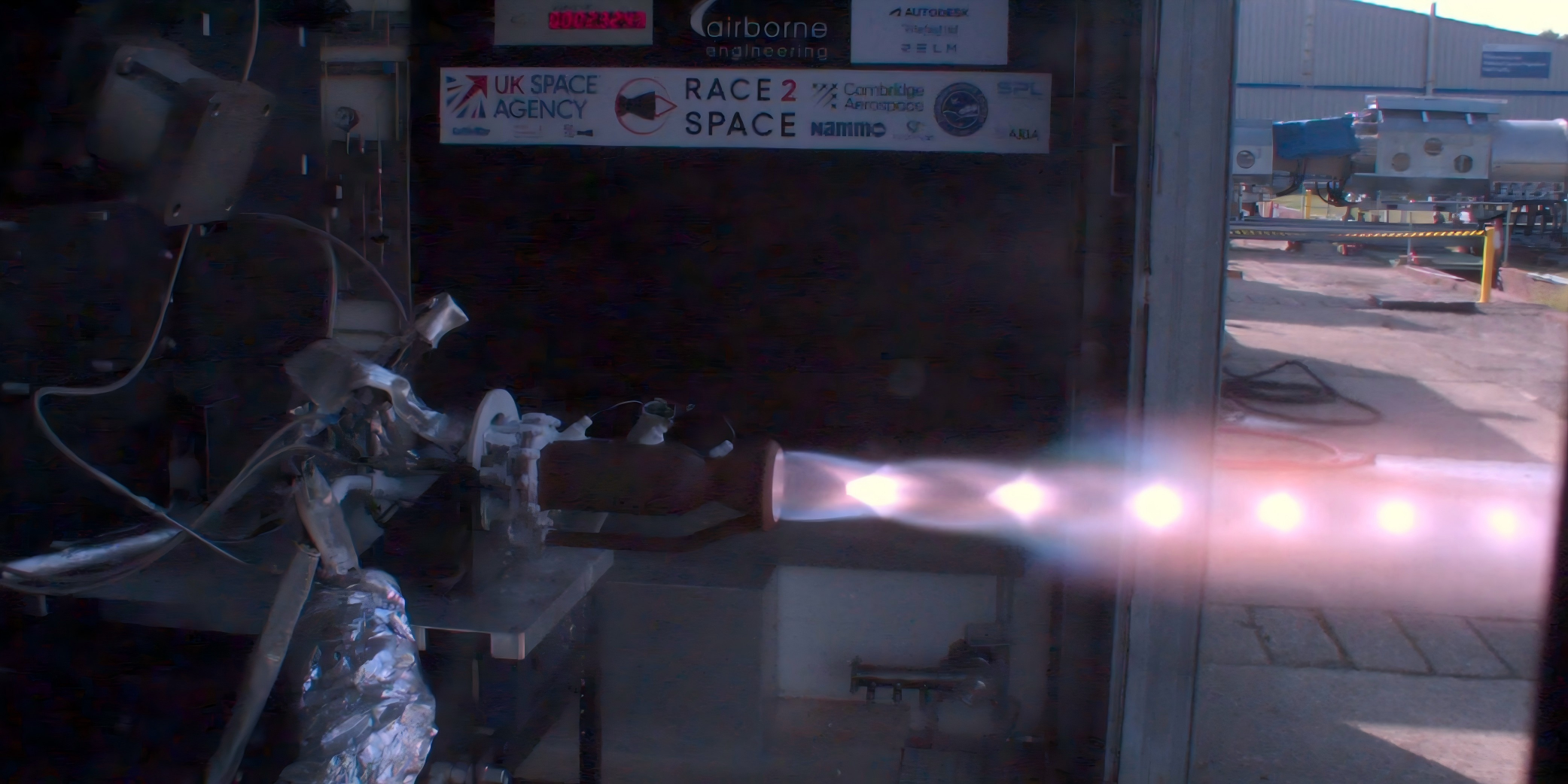
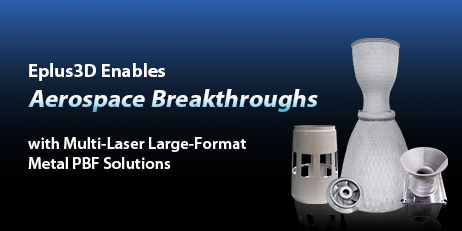
This is especially important in the aerospace industry, where component development often involves many iterations. For example, exhaust structures, nozzles, brackets, manifolds, lightweight supports, and other complex metal components may need repeated optimization before final validation. By using metal 3D printing, engineers can accelerate testing, reduce development risk, and shorten the time required to bring new aerospace equipment from concept to application.
For small-batch or customized aerospace parts, metal additive manufacturing can also help avoid the cost and delay of conventional tooling. This makes it suitable not only for research and development, but also for low-volume production and highly specialized aerospace applications.
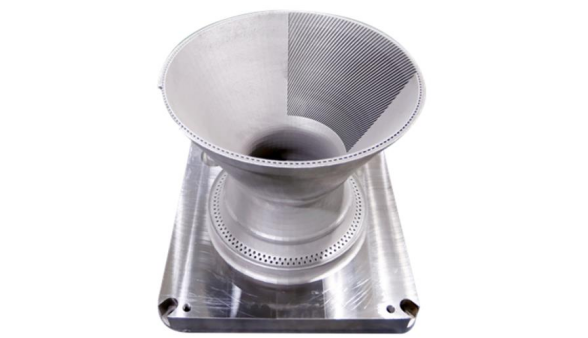
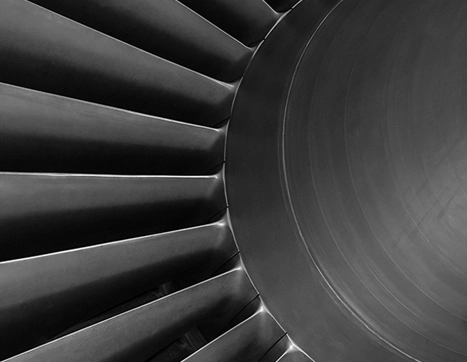
Exhaust nozzle exit printed by Eplus3D metal 3D printers
2. Improve Material Utilization and Reduce Manufacturing Costs
Another important advantage of metal additive manufacturing is its ability to improve material utilization. Aerospace manufacturing often uses high-value metal materials, such as titanium alloys, aluminum alloys, nickel-based superalloys, and stainless steels. In conventional subtractive manufacturing, a large amount of material may be removed from a solid billet or forging, especially when producing complex parts. This can lead to material waste, long machining time, and higher overall manufacturing costs.
Metal additive manufacturing follows a different principle. Instead of cutting away large amounts of material, it builds parts layer by layer using metal powder only where material is required. For complex aerospace parts, this approach can significantly reduce waste and improve the efficiency of raw material use. Although post-processing, support removal, heat treatment, and machining may still be required depending on the application, the overall material-saving potential remains one of the key benefits of metal additive manufacturing.
The cost advantage becomes more obvious when parts are difficult to machine, require expensive materials, or contain complex features that would be costly to produce with traditional methods. In these cases, metal 3D printing can reduce the number of manufacturing steps and help simplify the production route.
For industrial users, cost reduction should not only be understood as lower material consumption. It can also come from shorter lead times, fewer tooling requirements, part consolidation, reduced assembly work, and more flexible production planning. These factors make metal additive manufacturing increasingly attractive for aerospace, tooling, automotive, energy, medical, and other demanding industries.
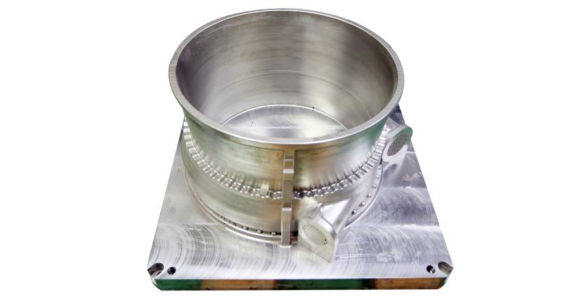
3D-printed object by Eplus3D metal 3D printers
3. Optimize Part Structure, Reduce Weight, and Improve Performance Potential
The third advantage of metal additive manufacturing is structural optimization. In aerospace applications, weight reduction is always a key consideration. Lighter parts can help improve fuel efficiency, reduce load, and support better system-level performance. However, reducing weight cannot come at the cost of reliability or mechanical performance.
Metal additive manufacturing gives engineers more freedom to design parts according to performance requirements rather than the limitations of traditional manufacturing methods. Complex structures, integrated features, optimized load paths, and lightweight designs can be produced more efficiently with metal 3D printing. In suitable applications, several components can also be consolidated into a single printed part, which may reduce assembly steps and potential failure points.
By optimizing the structure of parts, engineers can improve stress distribution and reduce areas where stress concentration may occur. This can support better fatigue performance and longer service life, depending on the design, material, process parameters, and post-processing route. For aerospace components that operate under demanding conditions, this design flexibility is one of the reasons why additive manufacturing applications in aerospace continue to expand.
Typical examples include lightweight brackets, ducts, manifolds, engine-related components, satellite structures, heat exchangers, and other parts where complex geometry and high performance are required. In these applications, metal additive manufacturing can turn design freedom into practical engineering value.
Beyond Aerospace: Wider Industrial Value of Metal Additive Manufacturing
Although the aerospace industry is one of the most representative fields for metal additive manufacturing, it is not the only industry that benefits from this technology. Metal additive manufacturing is also widely used in machinery, tooling, automotive, energy, medical and dental applications.
For tooling and mold manufacturing, metal additive manufacturing can support conformal cooling channels and improved thermal management. For the medical and dental industries, it can enable customized implants and patient-specific components. For automotive and industrial production, it can support lightweight parts, complex functional components, and low-volume production with greater design flexibility.
As the technology continues to mature, metal additive manufacturing is moving from prototype production toward more production-oriented applications. This shift requires not only advanced metal 3D printers, but also reliable process control, material expertise, application development, and industrial service support.
Eplus3D Metal Additive Manufacturing Solutions
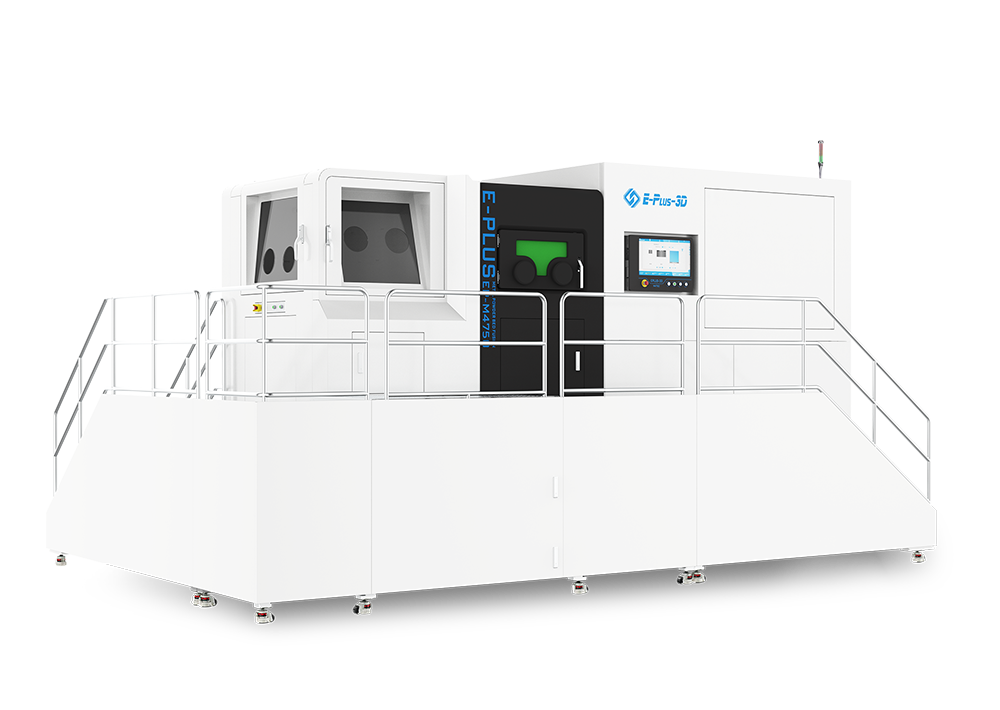
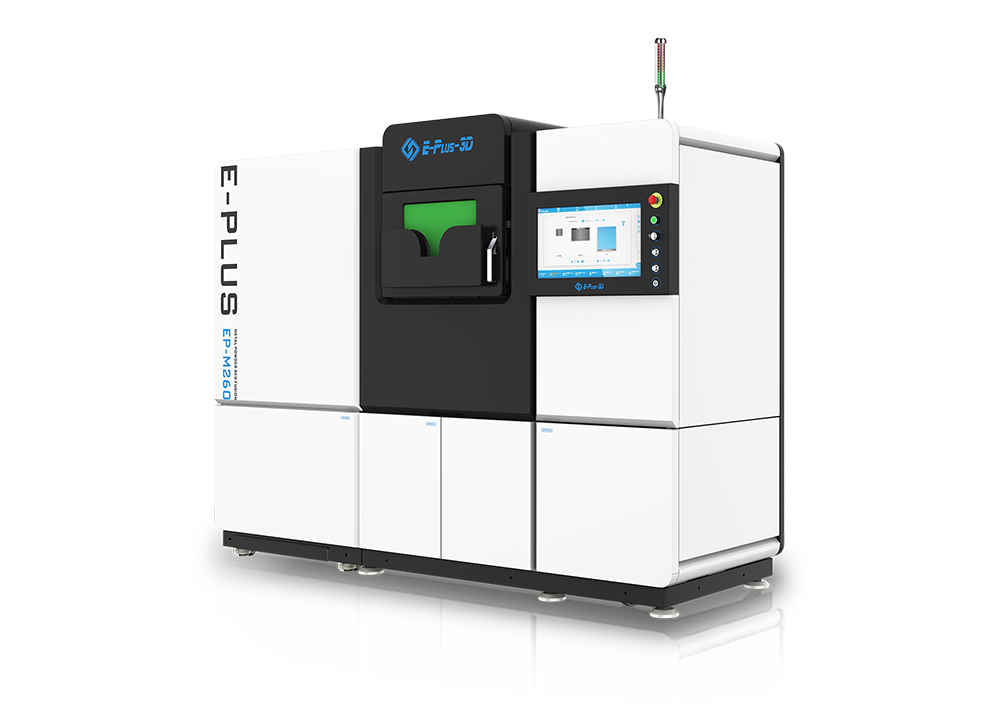
Eplus3D is a leading manufacturer of industrial metal 3D printing systems, providing metal additive manufacturing solutions for aerospace, medical, tooling, automotive, energy, machinery, and other industrial sectors. With a strong focus on innovation, process reliability, and application development, Eplus3D supports customers in transforming complex designs into functional metal parts.
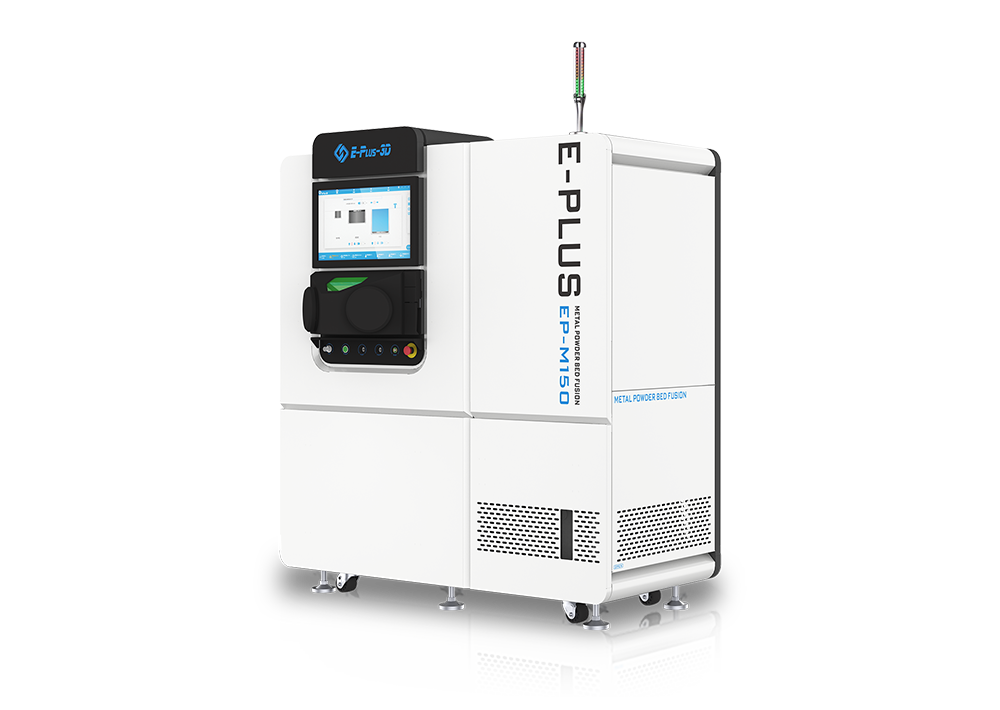
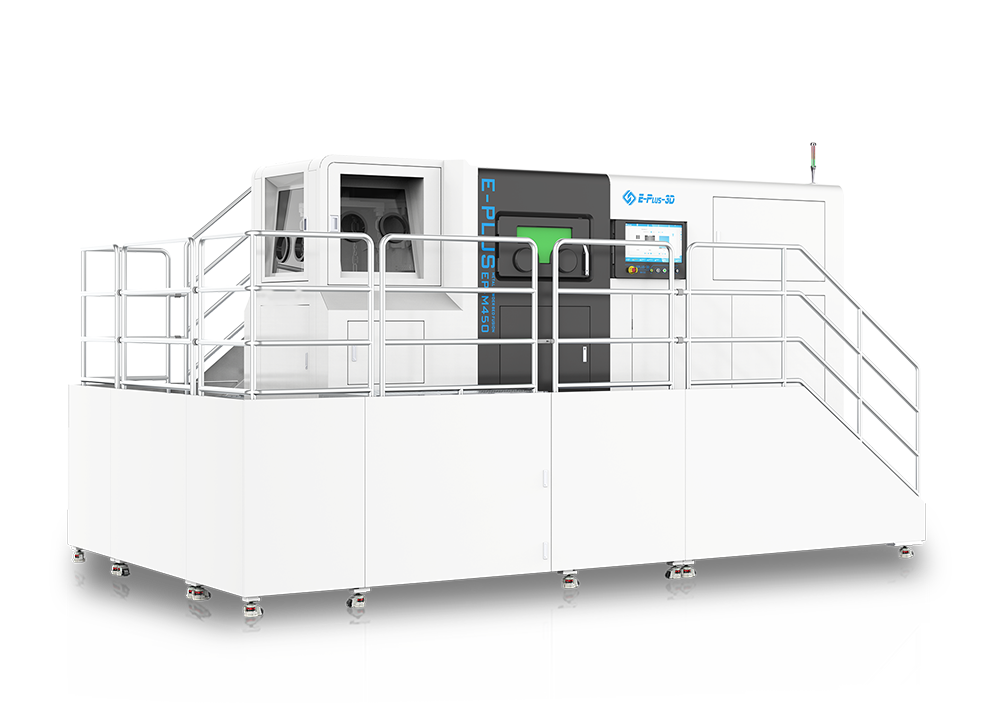
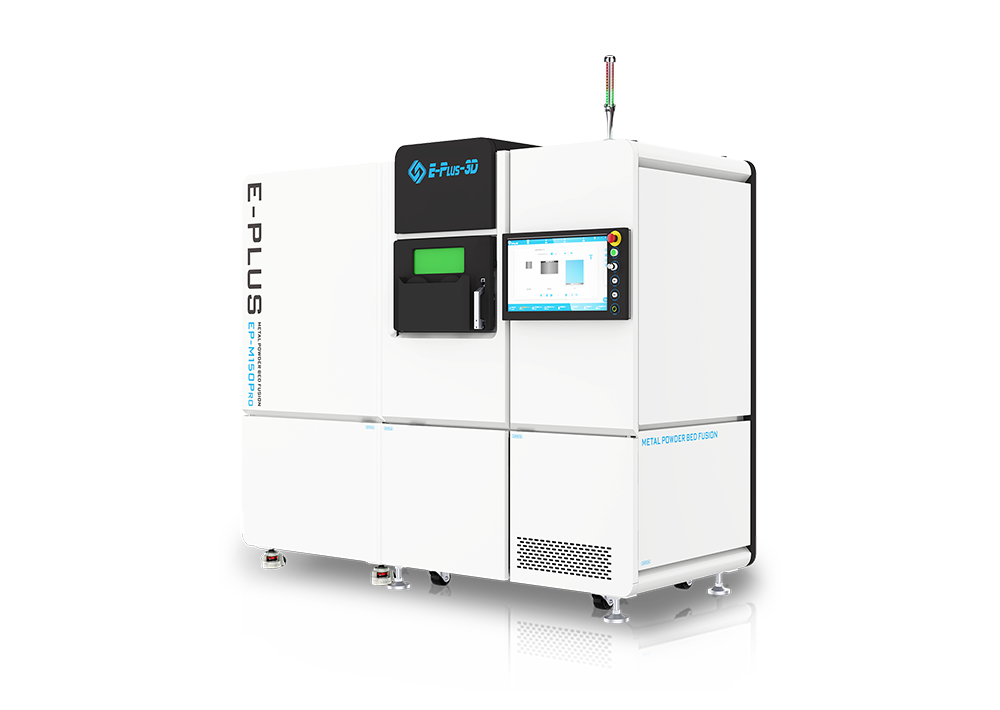
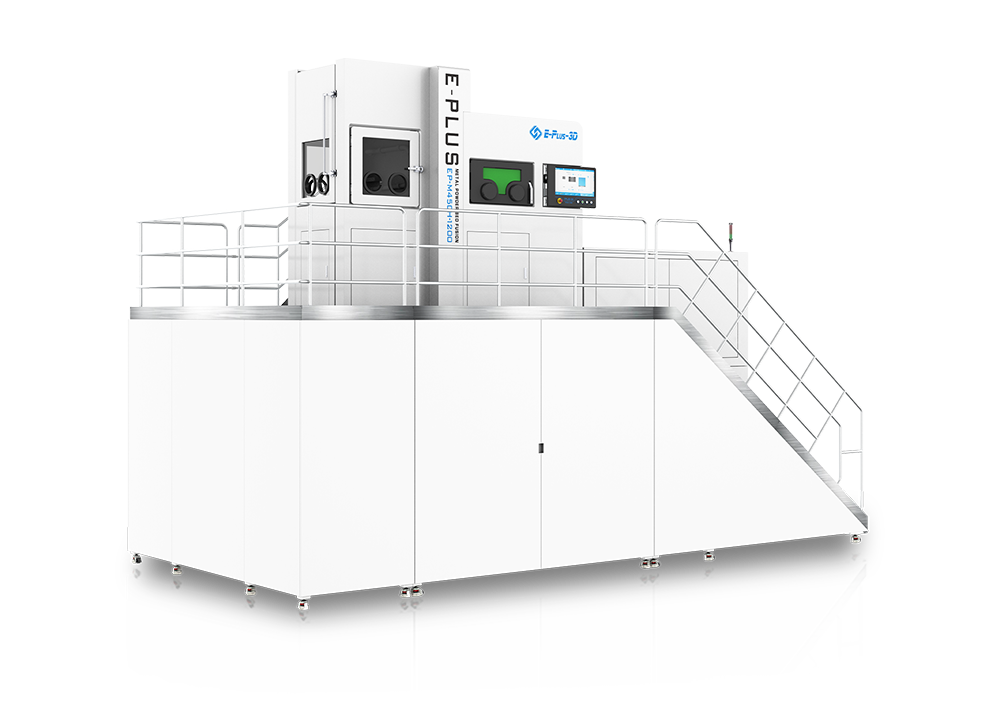
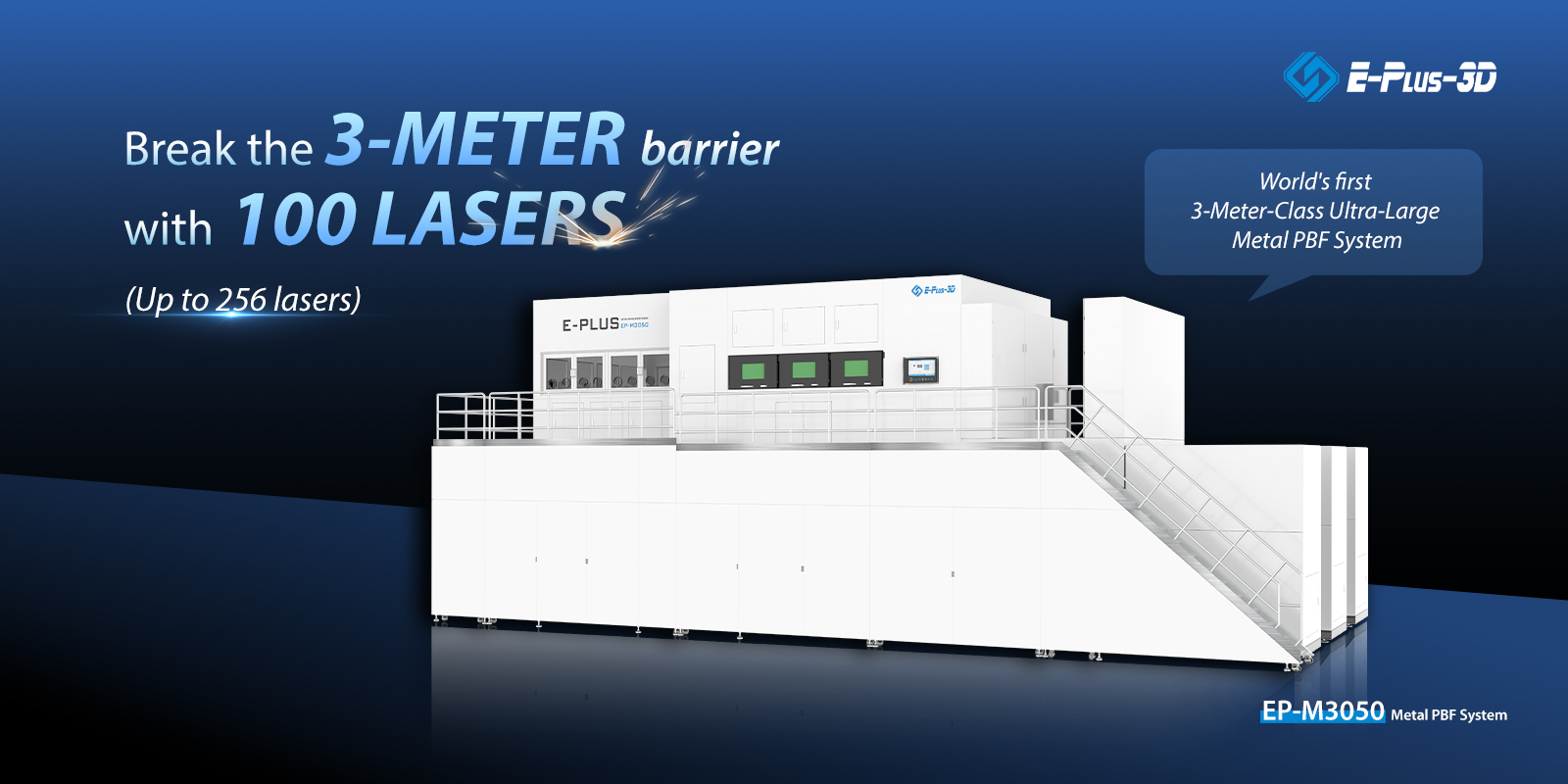
Eplus3D metal 3D printers are developed for demanding industrial applications, helping manufacturers explore the advantages of metal additive manufacturing, including design freedom, lightweight structures, material efficiency, part consolidation, and scalable production workflows. From small and medium-sized systems to large-format metal 3D printing platforms, Eplus3D provides a broad portfolio to support different application requirements.
For aerospace and other high-end industries, Eplus3D continues to help manufacturers bridge the gap between advanced design and practical production, enabling metal additive manufacturing to become a more reliable and valuable manufacturing method.
FAQ
What are the major advantages of metal additive manufacturing?
The major advantages of metal additive manufacturing include shorter development cycles, improved material utilization, lower tooling dependency, the ability to produce complex geometries, lightweight structural design, and potential part consolidation.
Why is metal additive manufacturing important in the aerospace industry?
Metal additive manufacturing is important in the aerospace industry because it supports lightweight design, complex part production, rapid design iteration, material efficiency, and the manufacturing of high-performance metal components.
Can metal additive manufacturing reduce manufacturing costs?
Metal additive manufacturing can reduce costs in suitable applications by lowering material waste, reducing tooling requirements, shortening lead times, simplifying assemblies, and enabling more efficient production of complex parts.
Is metal additive manufacturing only used in aerospace?
No. In addition to aerospace, metal additive manufacturing is used in tooling, automotive, machinery, energy, medical, dental, and other industrial fields where complex metal parts, customized components, or flexible production are required.
How can Eplus3D support metal additive manufacturing applications?
Eplus3D provides industrial metal 3D printers and application support for customers developing metal additive manufacturing applications across aerospace, medical, tooling, automotive, energy, and other industrial sectors.