





What Is Selective Laser Melting Technology?
Selective Laser Melting technology, also known as SLM, is one of the most important processes in metal 3D printing and metal additive manufacturing. It uses a high-power laser to selectively melt fine layers of metal powder according to digital 3D model data, building dense metal parts layer by layer. As industrial demand grows for complex, lightweight, and functional metal components, SLM 3D printing has become a key technology for advanced manufacturing.
Compared with traditional subtractive manufacturing, SLM can produce parts with complex internal channels, lattice structures, topology-optimized designs, and integrated geometries that are difficult or costly to achieve with conventional machining. This makes selective laser melting especially valuable for industries such as aerospace, medical, automotive, tooling, energy, and high-end industrial manufacturing.
In many industrial contexts, SLM is also discussed together with laser powder bed fusion, or LPBF. Both terms are closely related to the use of laser energy and a powder bed to manufacture metal parts. For users searching for selective laser melting, SLM 3D printing, or metal powder bed 3D printing, the core focus is usually the same: how to manufacture precise, high-density metal components directly from digital design data.
Working Principle of SLM
The working principle of SLM is based on the complete melting and solidification of metal powder. In the printing process, a thin layer of metal powder is evenly spread across the build platform. A laser then selectively scans the powder bed according to the cross-section of the 3D model. The laser energy is absorbed by the powder and converted into heat, causing the selected area to melt and form a solid metal layer after cooling.
After one layer is completed, the build platform lowers by a precise layer thickness. A new layer of metal powder is spread over the previous layer, and the laser melts the next cross-section. The newly melted layer bonds metallurgically with the layer below. This process is repeated layer by layer until the entire metal part is formed.
The whole SLM 3D printing process is usually carried out in a controlled chamber filled with inert gas, such as argon or nitrogen, depending on the material and process requirements. The inert atmosphere helps reduce oxidation during high-temperature melting and supports stable forming quality. After printing, the parts are removed from the build plate and may undergo post-processing steps such as heat treatment, support removal, surface finishing, or machining, depending on the final application.
SLM vs. SLS: What Is the Difference?
SLM and SLS are sometimes confused because both technologies use laser energy and powder materials. However, their process mechanisms and typical application fields are different. Selective Laser Sintering, or SLS, usually refers to a process in which powder particles are sintered rather than fully melted. It is widely associated with polymer powder materials.
Selective Laser Melting, or SLM, is focused on metal powder and complete melting. In SLM metal 3D printing, the laser fully melts the selected metal powder area, enabling the production of dense metal parts with strong mechanical performance. This is why SLM is widely used for functional metal components rather than only visual prototypes.
For Eplus3D and many industrial users, the important value of SLM technology lies in its ability to manufacture end-use metal parts with complex structures, reliable density, and application-oriented performance. This makes SLM 3D printing an important direction in advanced metal additive manufacturing.
Main Advantages of Selective Laser Melting
SLM technology offers several advantages for metal part production. These advantages are especially important when manufacturers need design flexibility, material efficiency, and stable part performance.
· High part density: Because the metal powder is fully melted during the SLM process, the printed parts can achieve high density when the process parameters and materials are properly controlled.
· Strong mechanical performance: SLM metal parts can deliver reliable mechanical properties for functional applications. With suitable process development and post-processing, they can support demanding industrial requirements.
· High design freedom: SLM 3D printing enables complex geometries, lightweight structures, internal channels, and part consolidation that may be difficult to manufacture through traditional processes.
· Material efficiency: Compared with subtractive manufacturing, selective laser melting can reduce material waste, especially for high-value metal materials such as titanium alloys, aluminum alloys, nickel-based alloys, and stainless steels.
· Production flexibility: SLM supports rapid design iteration, small-batch production, customized parts, and application-specific manufacturing without requiring dedicated molds or tooling.
Typical Applications of SLM Metal 3D Printing
As a mature metal additive manufacturing process, SLM is used across a wide range of industries. Its value is not limited to prototyping; it is increasingly applied to functional parts, production tools, and end-use components.
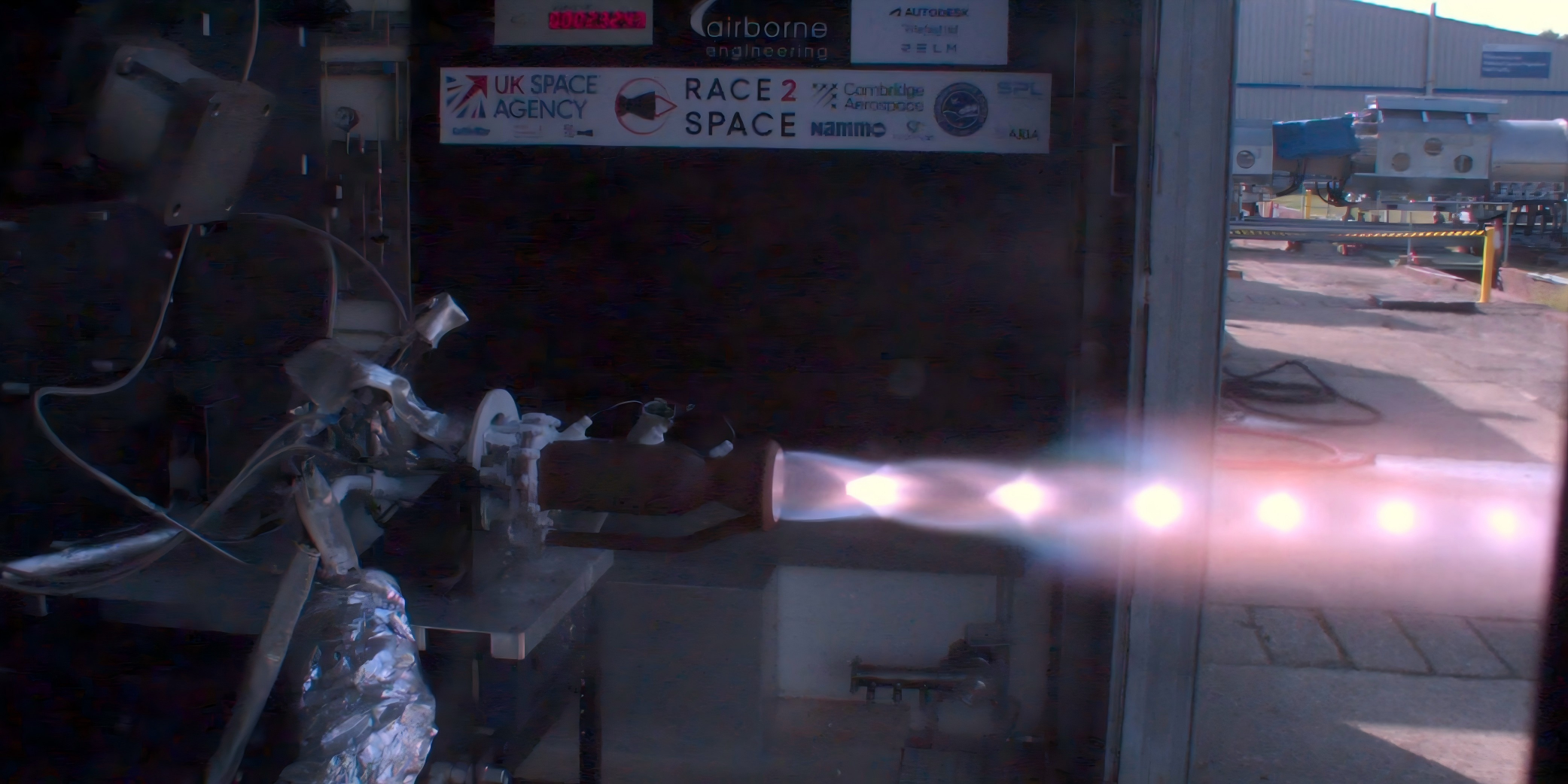
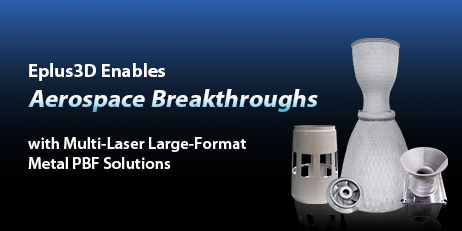
· Aerospace: Lightweight brackets, engine-related components, fuel nozzles, heat exchangers, and complex structural parts can benefit from design optimization and weight reduction.
· Medical: Titanium implants, orthopedic components, dental structures, and porous surfaces can be produced with customized geometry and controlled structural features.
· Automotive and motorsport: SLM can support lightweight parts, performance components, and rapid iteration for high-value applications.
· Tooling and mold manufacturing: Conformal cooling channels, mold inserts, and complex tooling components can improve thermal management and production efficiency.
· Industrial production: Metal 3D printing can support low-volume production, complex spare parts, and manufacturing scenarios where traditional tooling is costly or time-consuming.
Materials Commonly Used in SLM 3D Printing
SLM 3D printing is compatible with many metal powder materials, depending on the equipment, process parameters, and application requirements. Common materials include stainless steel, aluminum alloy, titanium alloy, cobalt-chromium alloy, nickel-based alloy, tool steel, and copper alloy. Each material has different requirements for laser parameters, powder quality, chamber atmosphere, and post-processing.
For manufacturers, material selection should be based not only on strength or weight, but also on the operating environment, surface requirements, heat resistance, corrosion resistance, and certification needs of the final part. This is why process expertise, machine stability, and application support are important when selecting an industrial metal 3D printer or SLM 3D printing solution.
How Eplus3D Supports Industrial SLM 3D Printing
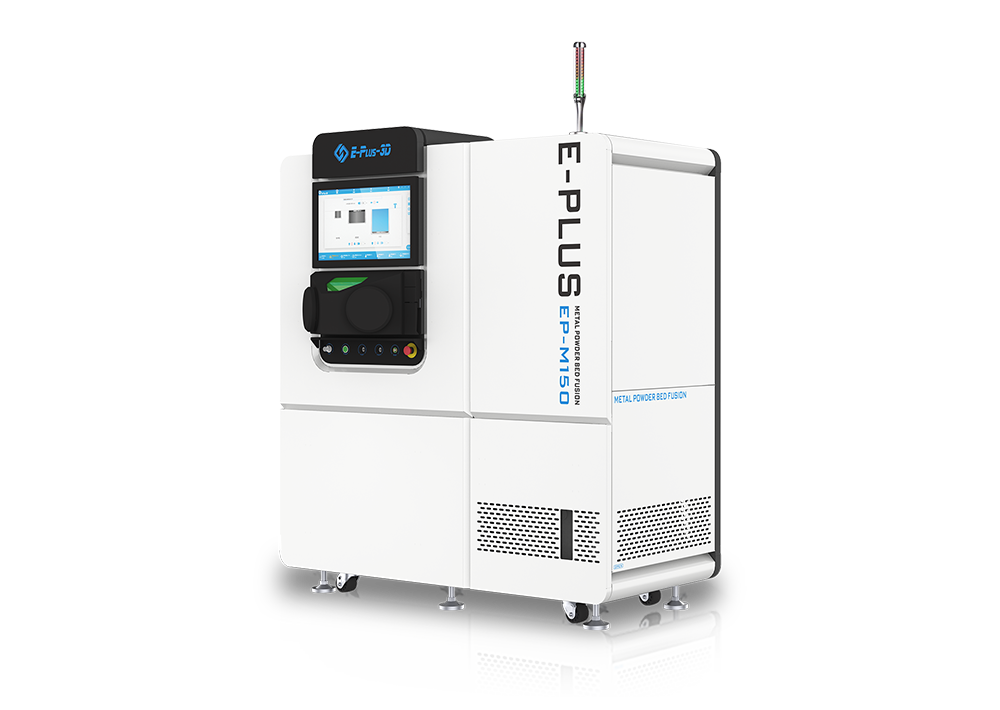
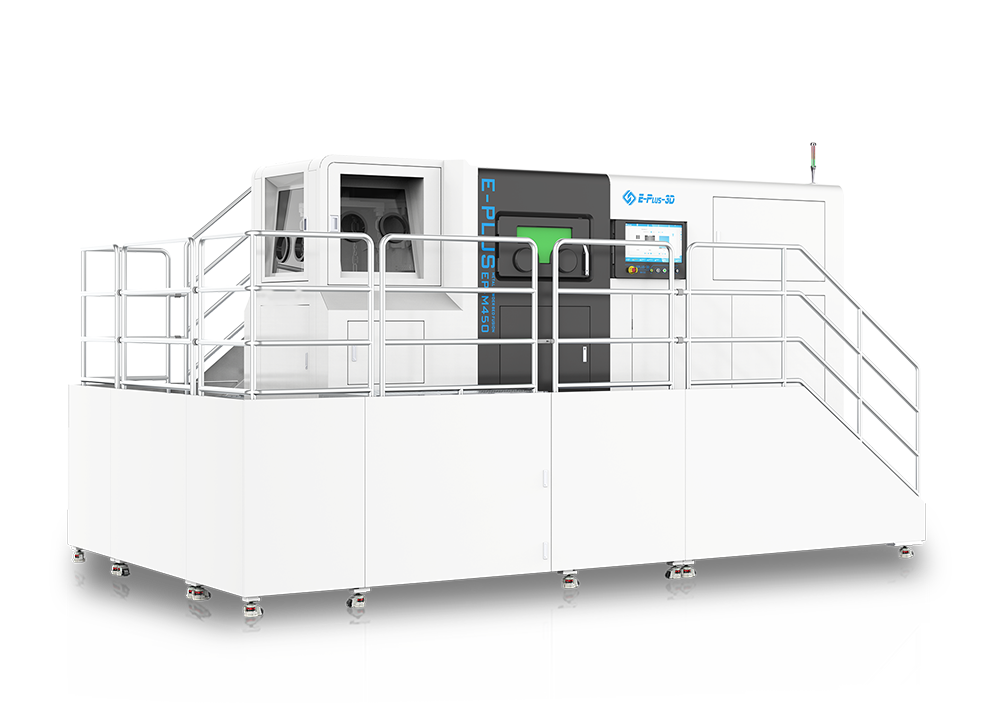
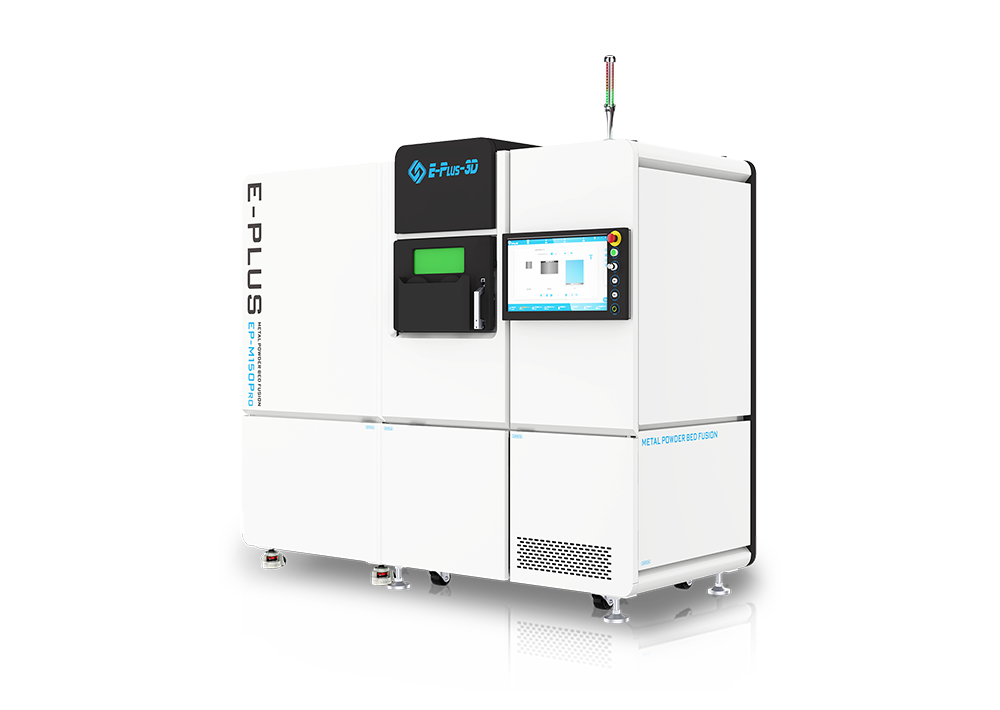
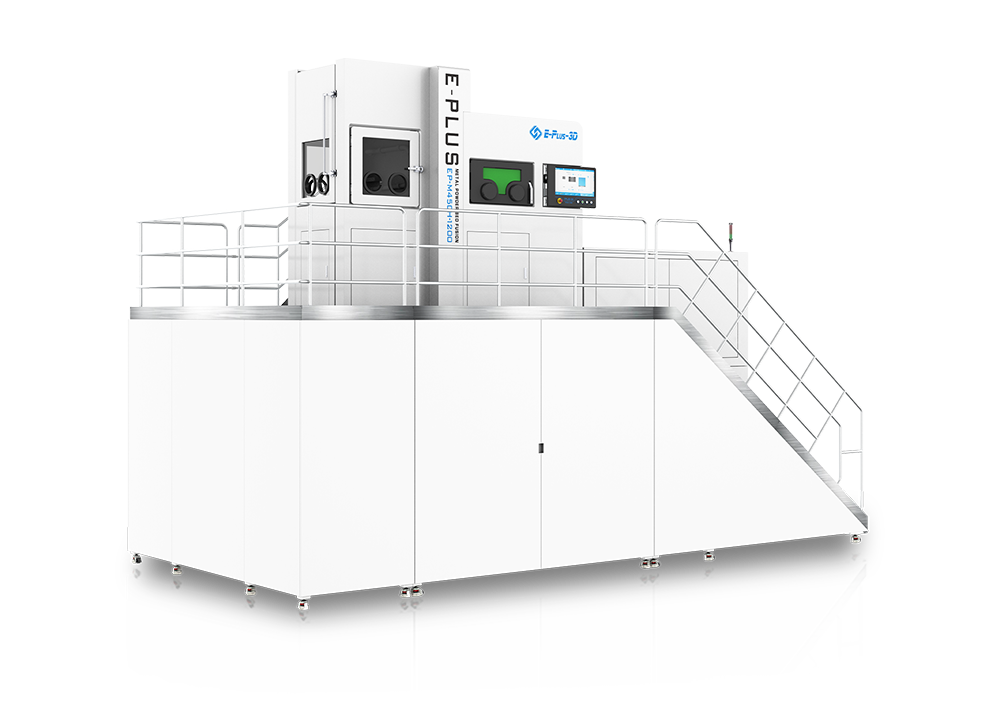
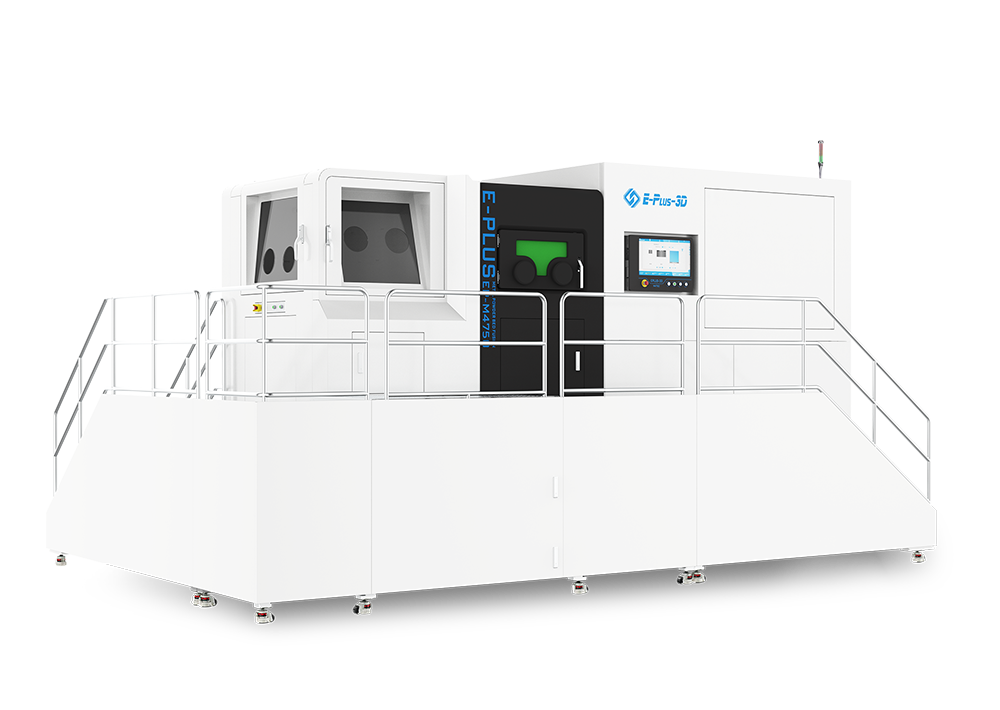
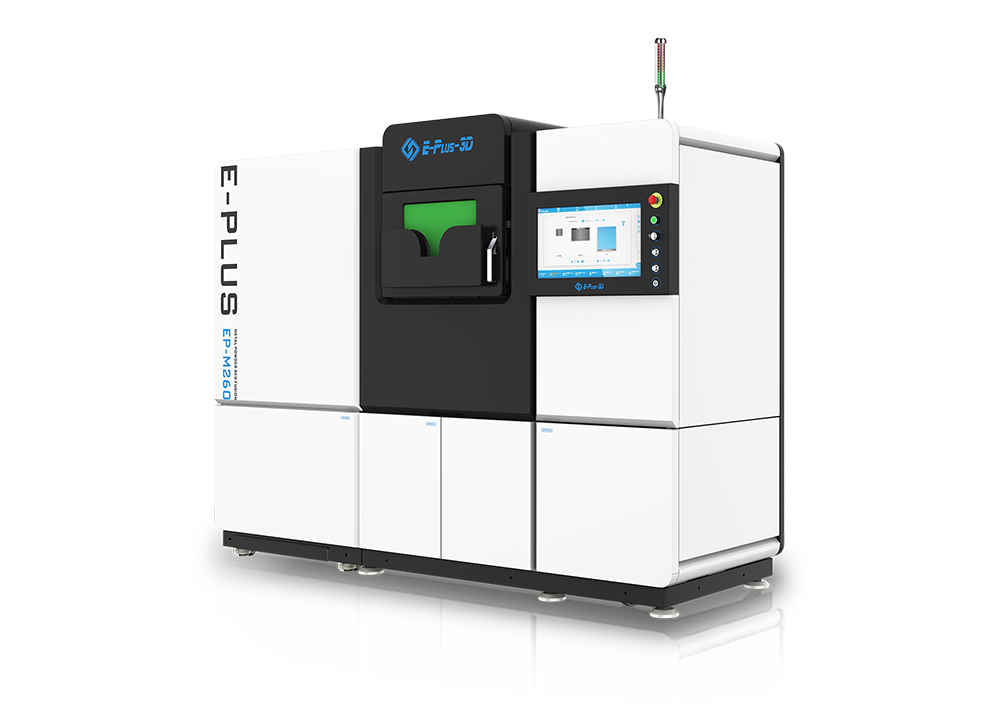
Eplus3D is a manufacturer of industrial metal 3D printing systems, providing SLM 3D printing machines for research, product development, and production-oriented applications. With experience in metal additive manufacturing equipment and application development, Eplus3D supports customers in turning digital designs into functional metal parts.
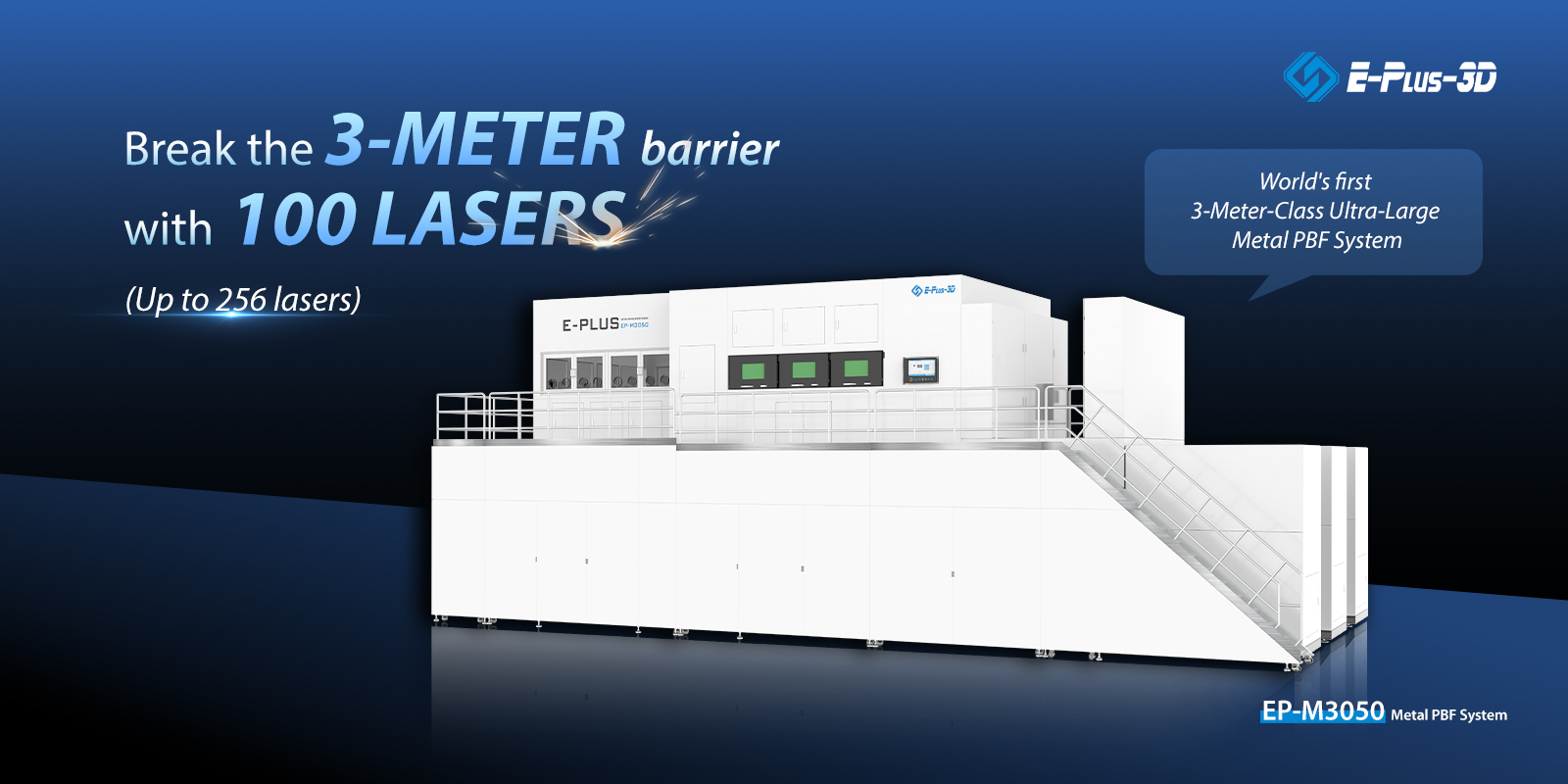
Eplus3D SLM 3D printing machines are designed to support different production needs, from compact systems for smaller components to large-format and multi-laser systems for industrial applications. For manufacturers seeking to adopt selective laser melting technology, important considerations include build volume, laser configuration, material compatibility, process stability, powder handling, software workflow, service support, and application experience.
By combining equipment capability with process know-how, Eplus3D helps customers explore metal additive manufacturing for aerospace, medical, automotive, tooling, energy, and other industrial sectors. The goal is not only to demonstrate what SLM technology can print, but also to support more reliable, scalable, and application-driven metal 3D printing workflows.
How to Choose an SLM 3D Printing Machine
When selecting an SLM 3D printing machine, users should consider more than the machine price or nominal build size. A suitable metal 3D printer should match the intended material, part size, accuracy requirements, production volume, and post-processing workflow.
· Application requirements: Identify whether the machine will be used for R&D, prototyping, small-batch production, or industrial production.
· Material compatibility: Confirm whether the system supports the required metal powders and related process parameters.
· Build volume and productivity: Choose a build platform and laser configuration that match part size and batch production needs.
· Process stability: Evaluate machine reliability, gas flow design, powder spreading quality, and monitoring capabilities.
· Technical support: Work with a supplier that can provide process support, training, service, and application guidance.
Frequently Asked Questions About Selective Laser Melting
Is selective laser melting the same as metal 3D printing?
Selective laser melting is a major metal 3D printing process. Metal 3D printing is a broader term that may include several technologies, while SLM specifically refers to the laser-based melting of metal powder in a powder bed.
What types of parts are suitable for SLM?
SLM is suitable for complex metal parts, lightweight structures, customized components, functional prototypes, tooling inserts, medical implants, aerospace components, and small-batch or high-value industrial parts.
Why is inert gas used in SLM 3D printing?
Inert gas helps protect metal powder and molten metal from oxidation during the high-temperature printing process. A stable chamber atmosphere is important for part quality and process consistency.
Can SLM replace traditional manufacturing?
SLM does not replace every traditional process. Instead, it provides an additional manufacturing route for parts where complexity, customization, material efficiency, or production flexibility creates clear value.
Conclusion
Selective Laser Melting technology has become an important part of industrial metal additive manufacturing. By fully melting metal powder layer by layer, SLM 3D printing enables the production of complex, dense, and functional metal parts. Its advantages in design freedom, material efficiency, and production flexibility make it valuable for industries moving from prototyping to real manufacturing applications.
As a provider of industrial metal 3D printing solutions, Eplus3D continues to support the development and application of SLM technology. For companies exploring selective laser melting, metal 3D printing, or industrial SLM 3D printing machines, Eplus3D offers equipment and application support to help turn advanced manufacturing possibilities into practical production value.