






Introduction
Material development is one of the key factors influencing the progress of metal additive manufacturing. Different metal powders determine the mechanical properties, processing requirements, application fields, and final performance of printed parts. As industrial metal 3D printing continues to expand, powder materials with better quality, stability, and application adaptability are becoming increasingly important.
Metal 3D printing technology mainly includes powder bed fusion and directed energy deposition processes. Among them, powder bed laser selective melting, commonly known as laser powder bed fusion (LPBF), is widely used for manufacturing small and complex metal components with high precision. Deposition-based technologies are more suitable for larger load-bearing components requiring high deposition efficiency.
Common metal 3D printing powders used in industrial applications include tool steel, stainless steel, martensitic steel, titanium and titanium alloys, aluminum alloys, nickel-based alloys, copper-based alloys, and cobalt-chromium alloys. Each material provides different advantages depending on the application requirements.
Titanium Powder
Titanium is a lightweight, high-strength, heat-resistant, and corrosion-resistant metal widely used in demanding industries. However, titanium is also challenging to process, which makes efficient manufacturing technologies especially valuable.
The most common titanium alloy used in metal additive manufacturing is Ti-6Al-4V (Titanium 64). Due to its excellent strength-to-weight ratio, titanium powder is widely applied in aerospace, medical implants, and other applications requiring high performance and lightweight structures.
· Typical applications: aerospace structural parts, engine-related components, medical implants, and lightweight industrial components.
Nickel Alloy Powder
Nickel-based alloys are important materials for high-temperature and corrosion-resistant applications. Their excellent mechanical properties and compatibility with other alloying elements make them suitable for demanding industrial environments.
In metal additive manufacturing, nickel alloy powders are commonly used for components requiring high temperature resistance, oxidation resistance, and long-term reliability, especially in aerospace, energy, and chemical industries.
· Typical applications: turbine components, aerospace engine parts, energy equipment, and high-temperature industrial components.
Stainless Steel Powder
Stainless steel is one of the most widely used materials in metal 3D printing because of its balanced mechanical properties, corrosion resistance, and broad industrial applicability.
Common stainless steel powders include 316L stainless steel and 17-4 PH stainless steel. 316L is known for excellent corrosion resistance and is widely used in medical, food, chemical, and industrial applications. 17-4 PH provides high strength and can be used for functional components requiring better mechanical performance.
· Typical applications: industrial parts, tooling, medical components, chemical equipment, and functional prototypes.
Aluminum Alloy Powder
Aluminum alloys are popular metal 3D printing materials because of their lightweight characteristics and good thermal properties. Common aluminum powders include AlSi10Mg and AlSi12.
Aluminum alloy powder is suitable for producing lightweight components, thin-wall structures, heat exchangers, automotive parts, and aerospace prototypes. The combination of low density and good mechanical performance makes aluminum an important material for lightweight manufacturing.
Refractory Metal Powder
Refractory metals such as tungsten, molybdenum, tantalum, niobium, and rhenium are known for their extremely high melting points, high density, and excellent heat resistance. These materials are challenging to manufacture with traditional methods, making additive manufacturing an attractive option for complex components.
Tantalum, for example, provides excellent corrosion resistance and conductivity, creating opportunities in electronics, medical, and specialized industrial applications. Refractory metal additive manufacturing continues to develop as material processing technologies improve.
How to Select the Right Metal 3D Printing Powder
Material selection should be based on application requirements rather than material properties alone. Manufacturers should consider mechanical performance, operating temperature, corrosion environment, weight requirements, surface quality, certification needs, and post-processing requirements.
· Application requirements: aerospace, medical, automotive, tooling, energy, or industrial production.
· Material performance: strength, weight, temperature resistance, corrosion resistance, and fatigue requirements.
· Powder characteristics: particle size distribution, flowability, purity, and consistency.
· Equipment compatibility: ensure the powder matches the selected metal 3D printer and process parameters.
Eplus3D Metal Additive Manufacturing Materials and Applications
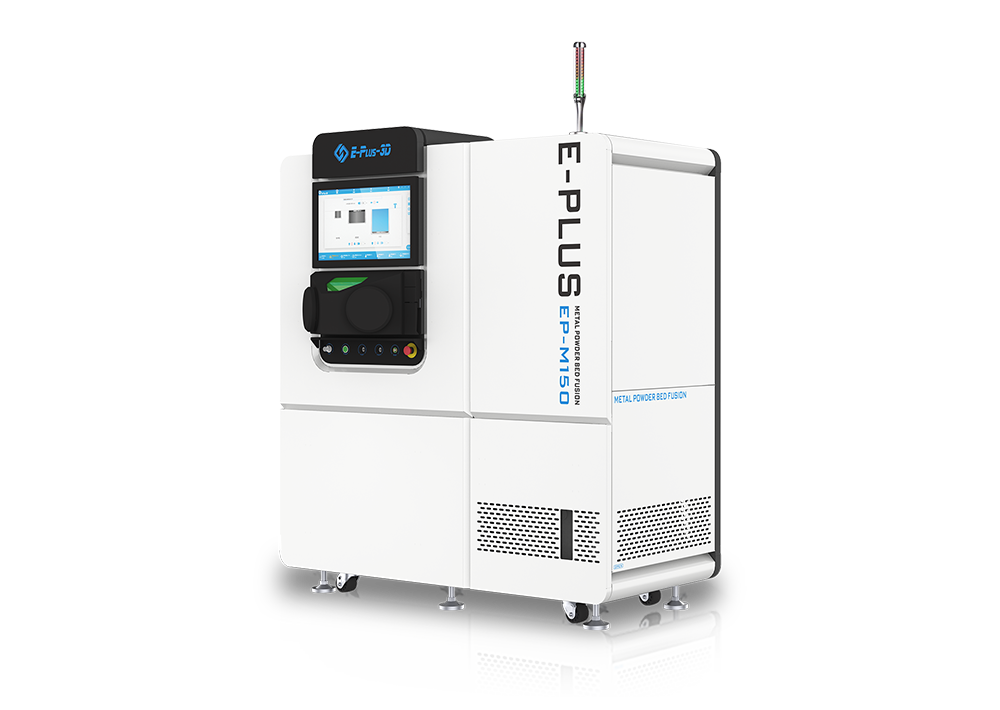
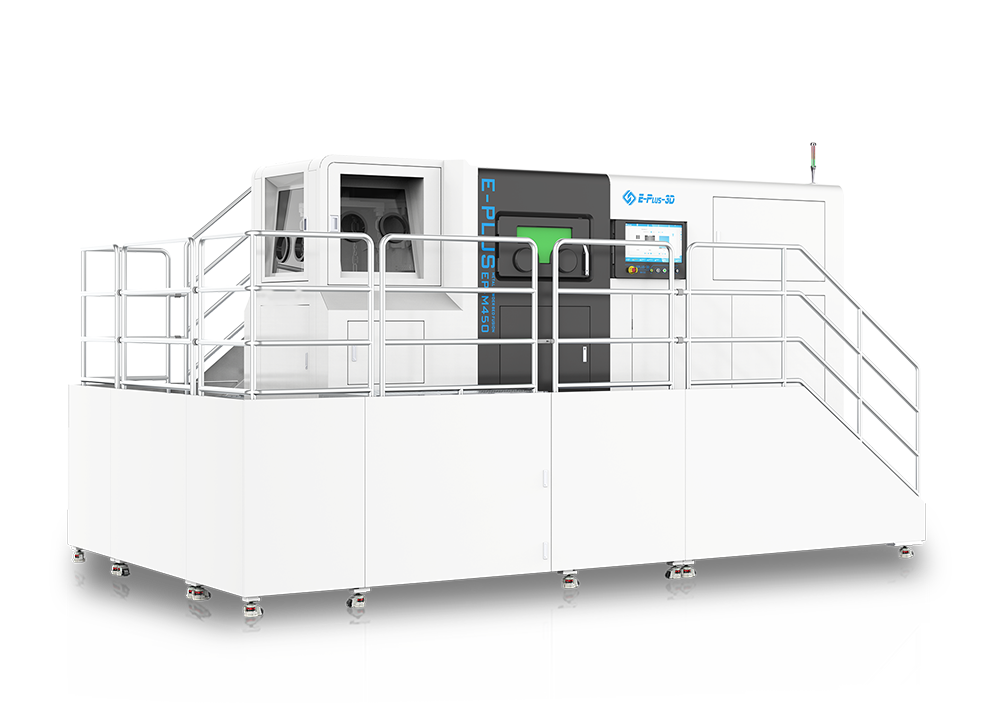
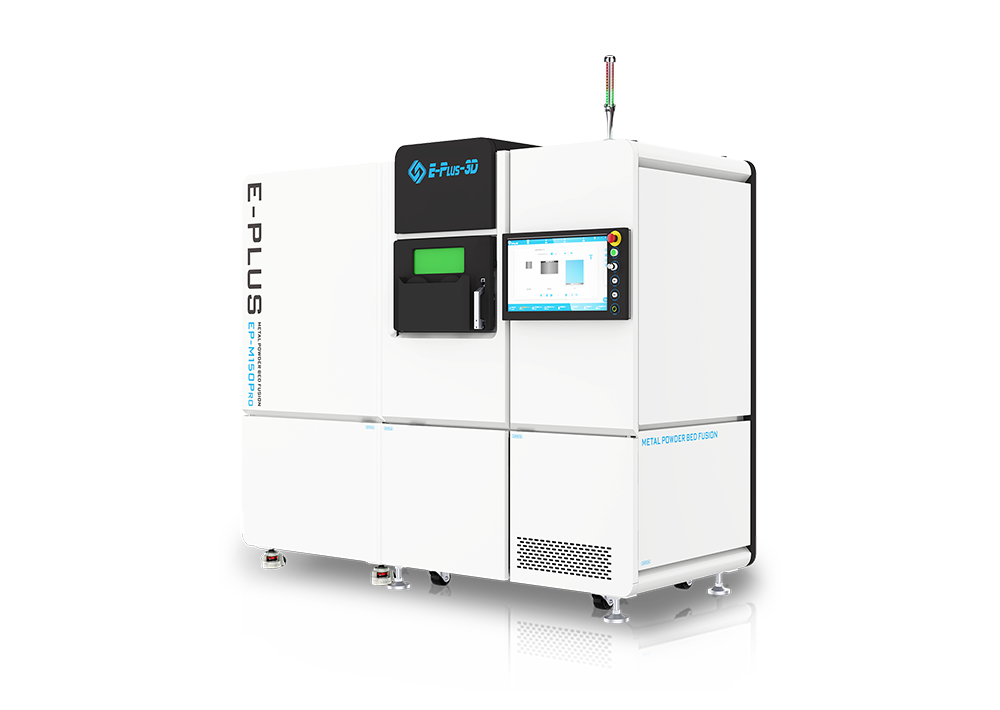
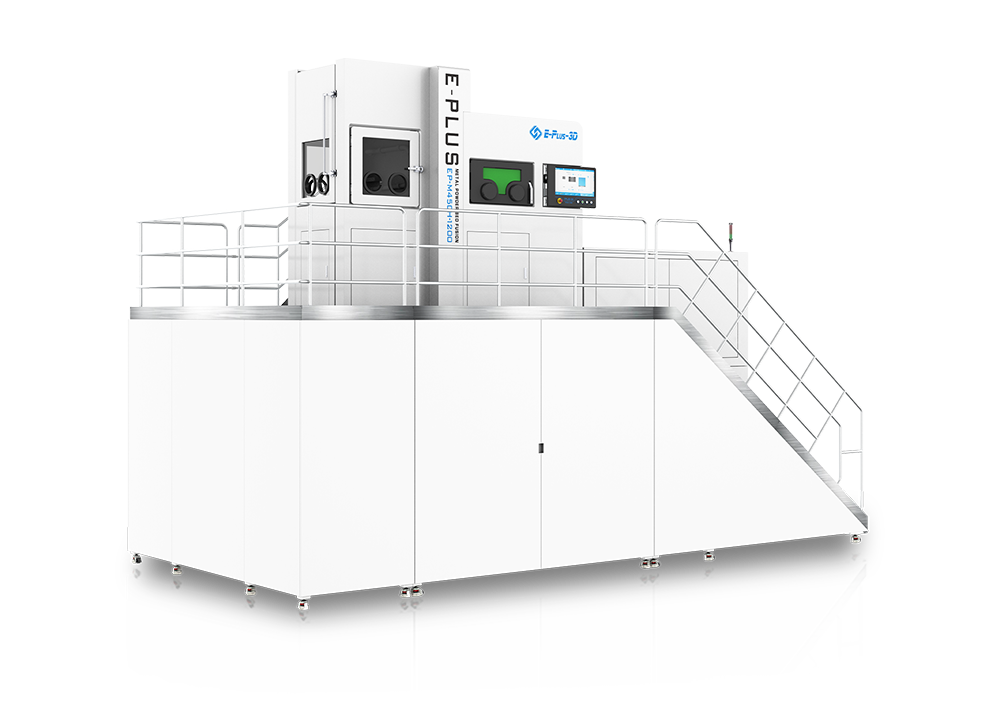
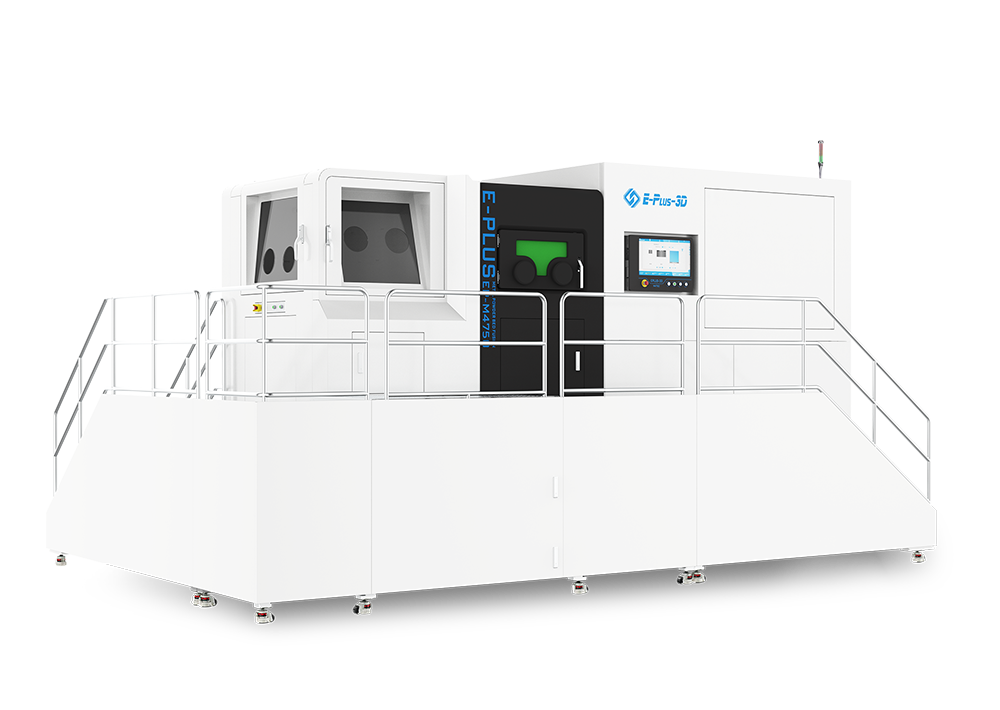
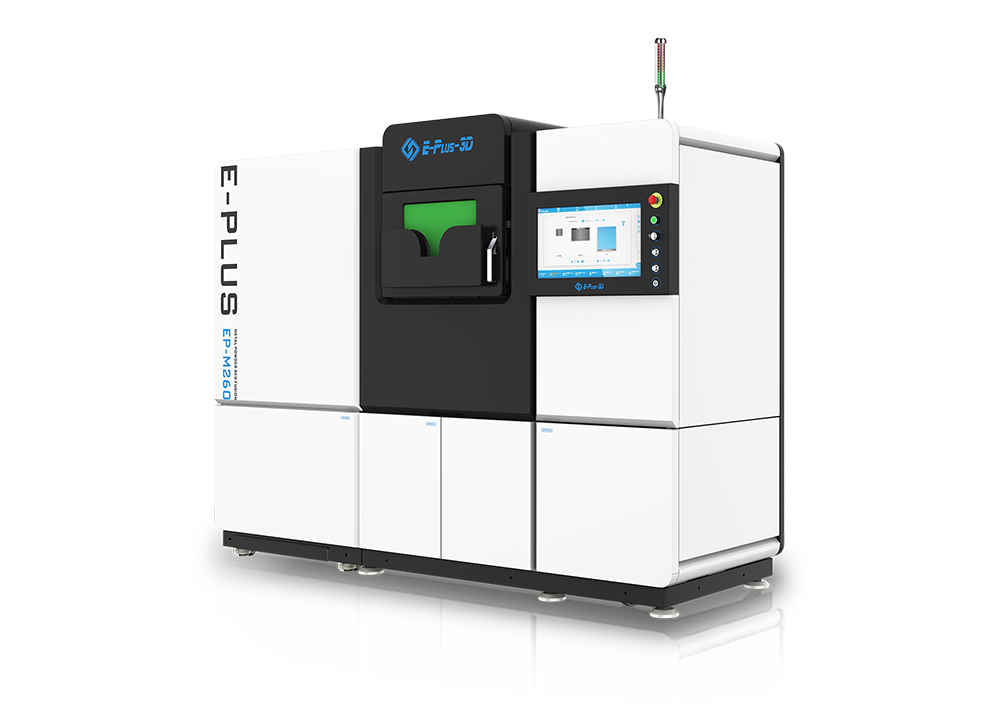
Eplus3D provides industrial metal 3D printing solutions supporting a wide range of metal materials for different application scenarios. By combining equipment capability, process development, and application experience, Eplus3D helps customers explore metal additive manufacturing for aerospace, medical, automotive, tooling, energy, and other industries.
With the continuous development of metal powders, processes, and equipment, metal additive manufacturing is moving beyond prototyping toward more production-oriented applications. Selecting the right material together with a suitable metal 3D printer is essential for achieving reliable and efficient manufacturing results.
Conclusion
Metal 3D printing powders are the foundation of successful metal additive manufacturing. From titanium alloys for lightweight aerospace parts to stainless steel, aluminum, nickel alloys, and refractory metals for specialized applications, each material provides unique value for different industries.
As material technology continues to advance, common 3D printing powders will continue to support the expansion of industrial metal 3D printing and enable manufacturers to create more complex, efficient, and high-performance metal components.