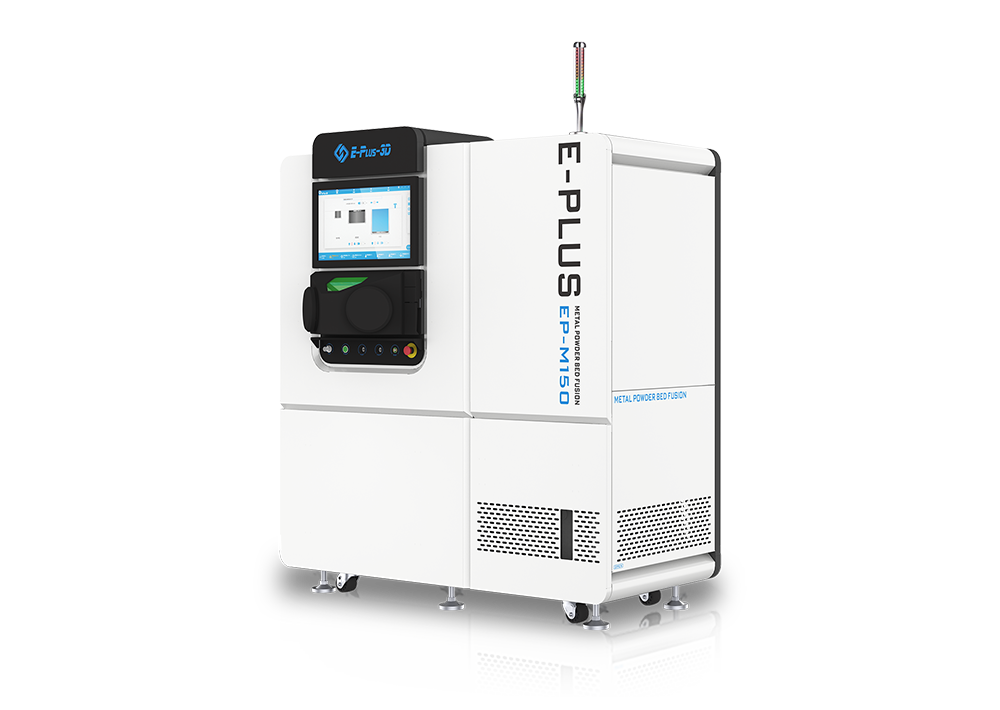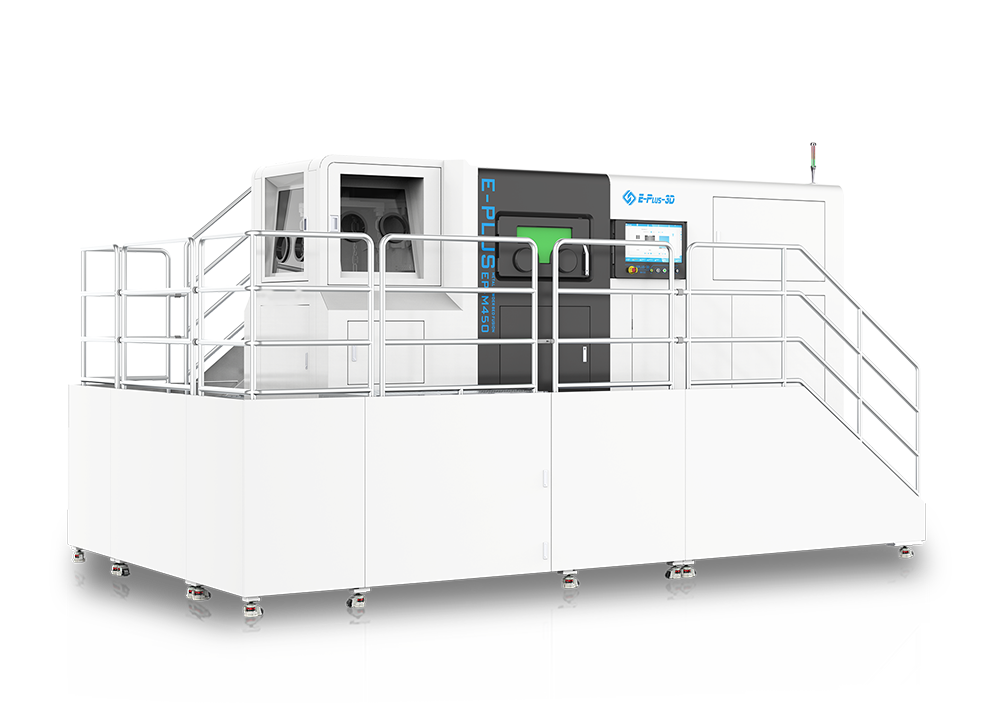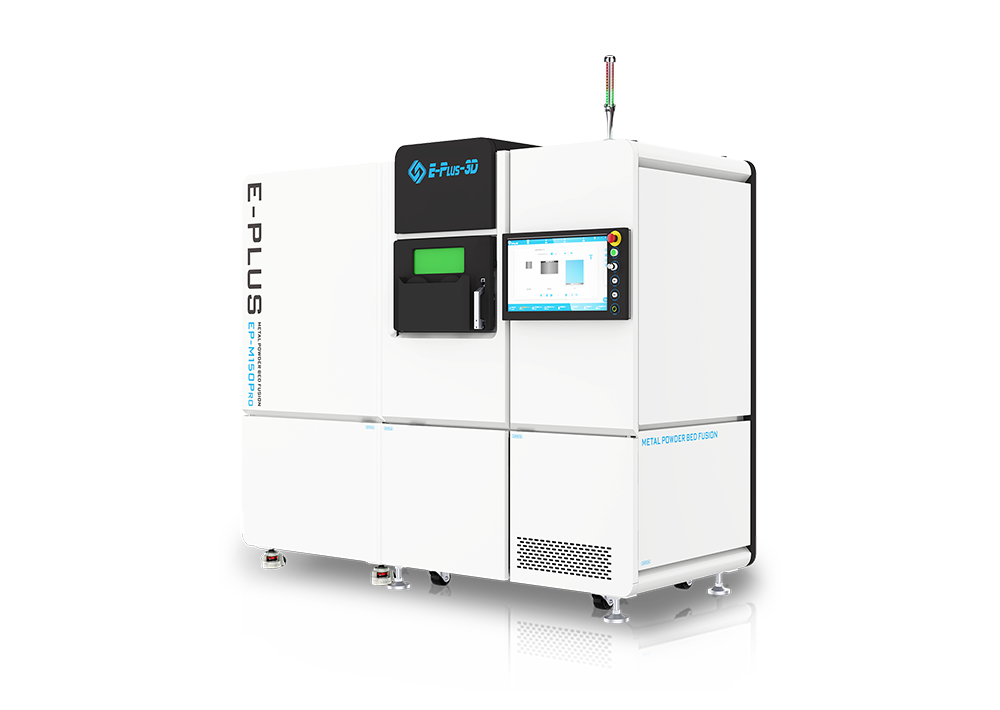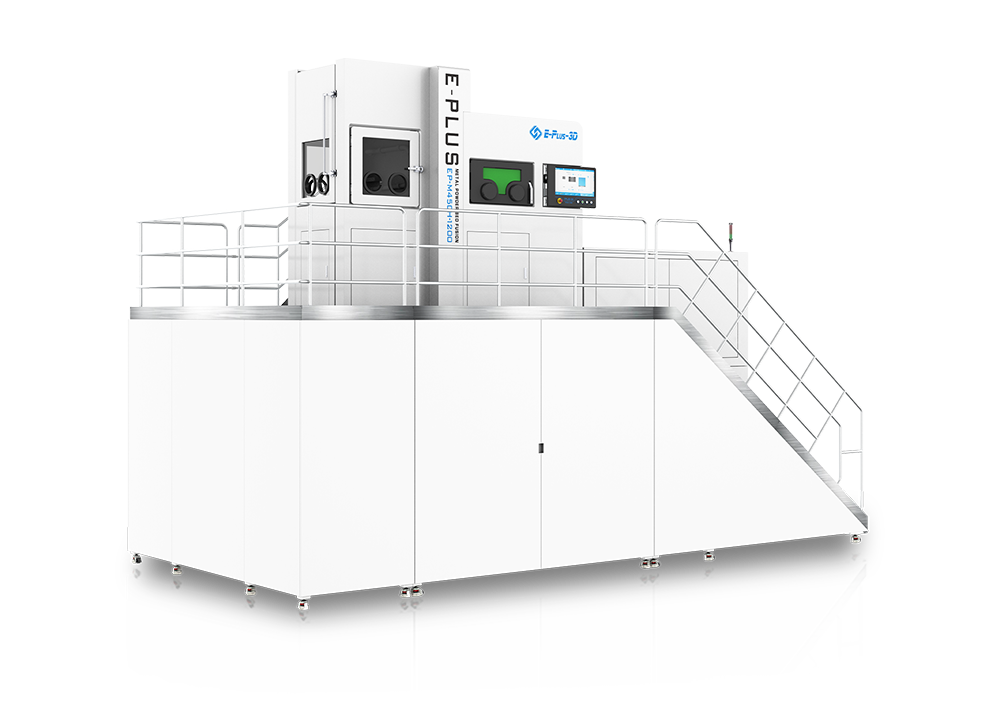


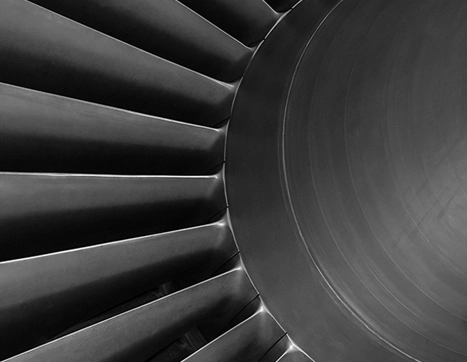




In recent years, metal 3D printing technology has revolutionized the development and production of components, not only in popular industries such as aerospace and automotive but also in the energy area. In 2017, Siemens successfully completed tests on 3D-printed gas turbine blades which have been tested under the full load of a turbine (2017). This signifies that, with technological advancements, metal 3D printing is gradually emerging, bringing unprecedented opportunities to the energy sector.
The primary advantage of metal 3D printing is its ability to manufacture parts with integrated features. For suppliers to the energy industry, high precision and high durability of components are crucial. Metal 3D printing makes it possible to produce almost any complex structure you can imagine and even improve the performance of parts. For example, it is becoming increasingly difficult for conventional manufacturing techniques to produce more efficient gas turbines with lower emissions and higher temperature tolerances.
The second major highlight is that metal 3D printing enables reducing material waste. By precisely controlling the addition and distribution of materials, this technology avoids waste that traditionally occurs during cutting, grinding, and other manufacturing steps. This is particularly important for the energy industry, where numerous energy equipment necessitates the use of rare or costly metal materials, and 3D printing technology can maximize the utilization of these materials.
Simultaneously, metal 3D printing facilitates tailored energy projects, providing design freedom and precise customization. Moreover, it lowers costs, accelerates prototyping, simplifies maintenance, and promotes green and sustainable manufacturing practices.
Looking ahead, metal 3D printing technology will continue to play a crucial role in the energy industry. With the ongoing evolution of technology and broader applications, we have compelling reasons to believe that it will usher in further innovations and transformative breakthroughs, propelling the entire industry towards unprecedented levels of efficiency and environmental sustainability.
Reference:
The Engineer. Siemens successfully tests 3D printed gas turbine blades. February, 6, 2017. https://www.theengineer.co.uk/content/news/siemens-successfully-tests-3d-printed-gas-turbine-blades/